2021 Satellite Symposia Schedule

Monday, February 08, 2021, 12:00 – 1:00 PM
Interpreting the evidence for Fabry disease: From clinical trials to real-world experience
Supported by Amicus Therapeutics, Inc.
This satellite is open only to registered attendees from outside the United States. International participants only.

Monday, February 08, 2021, 12:00 – 1:00 PM
Hallmarks of Acid Sphingomyelinase Deficiency (ASMD) and Assessment of Disease Progression
Supported by Sanofi Genzyme.

Monday, February 08, 2021, 4:00 – 5:30 PM
Rare Disease Registries: Pioneering Real World Evidence and a Continued Commitment to the Rare Disease Community
Supported by Sanofi Genzyme.

Monday, February 08, 2021, 4:00 – 5:30 PM
The role of Heat Shock Proteins in Lysosomal Storage Diseases
Supported by Orphazyme.
This satellite is open only to registered attendees from inside the United States. US participants only.

Tuesday, February 09, 2021, 12:00 – 1:00 PM
Lysosomal Diseases: Bench to Bedside and Beyond. Understanding immunogenicity, diagnostic testing data, and the potential use of AI
Supported by Sanofi Genzyme.

Tuesday, February 09, 2021, 12:00 – 1:00 PM
Long-term follow-up on MPS IVA – What we have learned
Supported by BioMarin Pharmaceutical Inc.

Tuesday, February 09, 2021, 4:00 – 5:30 PM
Uncovering multiple mechanisms of Fabry disease – implications for management
Supported by Amicus Therapeutics, Inc.

Tuesday, February 09, 2021, 4:00 – 5:30 PM
Pompe Disease Around the World
Supported by Sanofi Genzyme.

Wednesday, February 10, 2021, 12:00 – 1:00 PM
Pompe disease from the inside out: GAA processing, pathogenic cascade and the LOPD patient perspective
Supported by Amicus Therapeutics, Inc.

Wednesday, February 10, 2021, 12:00 – 1:00 PM
Harnessing the Power of Ex-vivo Lentiviral Gene Therapy: A personalized approach
Supported by AVROBIO, Inc.

Wednesday, February 10, 2021, 4:00 – 5:30 PM
Changing Tides in the Management of ASMD: Emerging Treatments and Strategies to Improve Diagnosis
CME Satellite Symposium
Accredited provider: AKH, Inc. (Advancing Knowledge in Healthcare)
Jointly provided by AKH Inc. and Catalyst Medical Education, LLC
Supported by an independent educational grant from Sanofi Genzyme.

Wednesday, February 10, 2021, 4:00 – 5:30 PM
Therapeutic Advances in Metachromatic Leukodystrophy
Supported by Orchard.
This satellite is open only to registered attendees from outside the United States. International participants only.

Thursday, February 11, 2021, 12:00 – 1:00 PM
How has Fabry disease knowledge evolved over the past 20 years? Analysis of recent evidence.
Supported by Sanofi Genzyme.
This satellite is open only to registered attendees from outside the United States. International participants only.

Thursday, February 11, 2021, 12:00 – 1:00 PM
Critical Impact of Inflammation in Lysosomal Diseases: Unlocking Future Treatments and Improving Outcomes
CME/CNE Satellite Symposium
Accredited provider: Postgraduate Institute for Medicine (PIM)
Jointly provided by PIM and Saterdalen & Associates, LLC
Supported by an independent educational grant from Takeda.

Thursday, February 11, 2021, 4:00 – 5:30 PM
Fabry Disease in the Era of COVID-19: Implications for Clinical Practice
Supported by Chiesi USA, Inc.

Thursday, February 11, 2021, 4:00 – 5:30 PM
Unmet need in Gaucher Disease: future possibilities with ex-vivo lentiviral gene therapy
Supported by AVROBIO, Inc.

Friday, February 12, 2021, 12:00 – 1:00 PM
Neurobehavioral and cognitive function in MPS II: a case-led look at effective clinical assessment
Supported by Takeda.

Friday, February 12, 2021, 12:00 – 1:00 PM
Niemann-Pick disease type C: Understanding, evaluating, and treating the disease
Supported by Orphazyme.
This satellite is open only to registered attendees from inside the United States. US participants only.

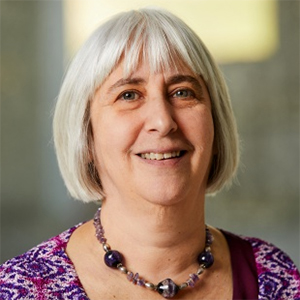
Dr. Ellen Sidransky received the 2021 Roscoe O. Brady Award for Innovation and Accomplishment

Dr. Ellen Sidransky is the Branch Chief of the Medical Genetics Branch and is a pediatrician and geneticist in the National Human Genome Research Institute at National Institutes of Health (NIH). Dr. Sidransky received her B.A. from Brandeis University and her M.D. from Tulane University. She trained in pediatrics at Northwestern University, and in Clinical Genetics at the NIH. Dr. Sidransky has been a tenured NIH investigator and Section Chief since 2000. Her research interests include both clinical and basic aspects of Gaucher disease and Parkinson disease, studies of genotype/phenotype correlation and genetic modifiers, insights from mouse models, and novel treatment strategies. She played a lead role in establishing the association between glucocerebrosidase and parkinsonism. The author of over 200 publications, she continues to focus on the complexity encountered in “simple” Mendelian disorders, the role of lysosomal pathways in parkinsonism, and the development of small molecule chaperone therapy for Gaucher disease and for parkinsonism.

Dr. Ellen Sidransky received the 2021 WORLDSymposium Roscoe O. Brady Award for Innovation and Accomplishment on Monday, February 8, 2021 at 8:45 AM Eastern Standard Time (EST). 

2021 WORLDSymposium Young Investigator Awards Announced

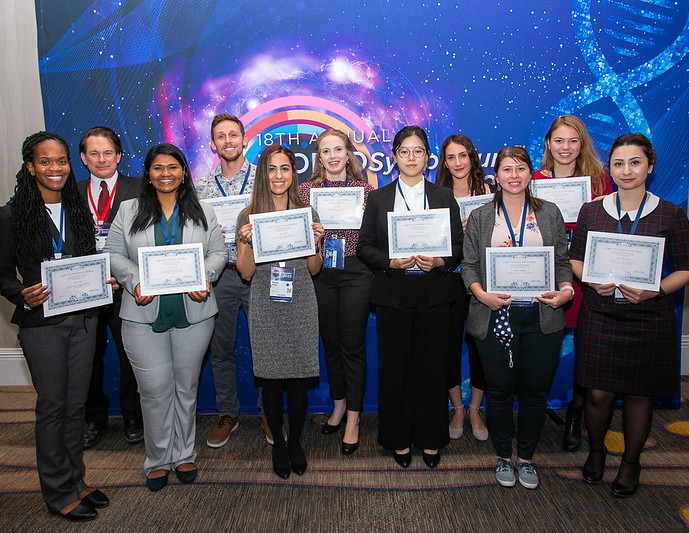
Congratulations to the ten individuals selected who received the WORLDSymposium Young Investigator Award for 2021. The award was a partial scholarship towards attendance at WORLDSymposium 2021. 45 investigators-in-training submitted an application for the award, and the review process was difficult due to the excellent caliber of all the applicants.

WORLDSymposium would like to congratulate all of the applicants for their hard work. The following individuals received the WORLDSymposium Young Investigator Award at the 2021 Scientific Meeting on Tuesday, February 9, 2021 at 9:00 AM Eastern Standard Time (EST):

  • Su Jin Choi, Duke University, Durham, North Carolina, USA
  • Jason Glanzman, Children’s Hospital of Pittsburgh, Pittsburgh, Pennsylvania, USA
  • Tyler Harm, Iowa State University, Ames, Iowa, USA
  • Jane Kinsella, Royal Manchester Children’s Hospital, Manchester, United Kingdom
  • Stephanie Newman, Western University, London, Ontario, Canada
  • Allegra Quadri, Ann & Robert Lurie Children’s Hospital of Chicago, Chicago, Illinois, USA
  • Allen Seylani, National Heart Lung and Blood Institute, National Institutes of Health (NIH), Bethesda, Maryland, USA
  • Miles Smith, University of Minnesota, Minneapolis, Minnesota, USA
  • Brianna Yund, University of Minnesota, Minneapolis, Minnesota, USA
  • Wei Zhu, University of Minnesota, Minneapolis, Minnesota, USA

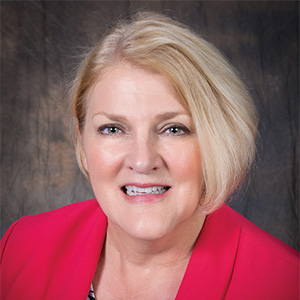
Terri L. Klein received the WORLDSymposium 2021 Patient Advocate Leader (PAL) Award

Terri Klein, NPGC is the President and CEO at the National MPS Society, USA. Her undergraduate work was in Human Resources and her graduate work was in Nonprofit Management. She is currently completing her MPA from North Carolina State University. Her expertise is in organizational development, multi-tier fund development, and technology development. Her portfolio includes over 36 million in secured corporate prospects, and nonprofit gifts. Terri began her nonprofit career in 2004 and became the first Executive Director of the ISMRD after leaving her corporate career.

Since 2002, the Society has funded $17 million in research and family support programs. She has worked to increase the membership of the Society by over 310% and has expanded the Society Team to include science, social services, and communication. Her focus is on diseases with no treatment, bridging bench and translational research to clinical application, the newborn screening program, patient secured data, and access to therapies. In addition, she administers patient advocacy with NIH, NCATS, NINDS, FDA, RDCRN, HRSA, and the ACHDNC.

She is the co-Chair of the International MPS Network (IMPSN) and COPA, part of the LDN. The IMPSN focuses on global humanitarian efforts for MPS. She is a member of the North Carolina Rare Disease Coalition, and mentors’ other patient communities to strengthen their voice, and advocates at both the federal and state level.

Terri is a founding member of the Mucolipidosis Research Collaborative Network. Recently formed in 2019, this novel group of scientists, researchers, clinicians, and patient advocates are working in tandem to discover the scientific answers to provide therapies for ML II/III. She is a wife and mother of four, including Jennifer (28), her youngest that suffers from ML III.

Terri was presented with the WORLDSymposium 2021 Patient Advocate Leader Award on Tuesday, February 9, 2021 at 9:00 AM Eastern Standard Time (EST).

Michael T. Osterholm, PhD, MPH, Delivered Keynote Address on Wednesday, February 10, 2021

Michael T. Osterholm, PhD, MPH, is Regents Professor, McKnight Presidential Endowed Chair in Public Health, the director of the Center for Infectious Disease Research and Policy (CIDRAP), Distinguished Teaching Professor in the Division of Environmental Health Sciences, School of Public Health, a professor in the Technological Leadership Institute, College of Science and Engineering, and an adjunct professor in the Medical School, all at the University of Minnesota. From June 2018 through May 2019, he served as a Science Envoy for Health Security on behalf of the US Department of State. He is also on the Board of Regents at Luther College in Decorah, Iowa.

He is the author of the 2017 book, Deadliest Enemy: Our War Against Killer Germs, in which he not only details the most pressing infectious disease threats of our day but lays out a nine-point strategy on how to address them, with preventing a global flu pandemic at the top of the list.

In addition, Dr. Osterholm is a member of the National Academy of Medicine (NAM) and the Council of Foreign Relations. In June 2005 Dr. Osterholm was appointed by Michael Leavitt, Secretary of the Department of Health and Human Services (HHS), to the newly established National Science Advisory Board on Biosecurity. In July 2008, he was named to the University of Minnesota Academic Health Center’s Academy of Excellence in Health Research. In October 2008, he was appointed to the World Economic Forum Working Group on Pandemics.

From 2001 through early 2005, Dr. Osterholm, in addition to his role at CIDRAP, served as a Special Advisor to then–HHS Secretary Tommy G. Thompson on issues related to bioterrorism and public health preparedness. He was also appointed to the Secretary’s Advisory Council on Public Health Preparedness. On April 1, 2002, Dr. Osterholm was appointed by Thompson to be his representative on the interim management team to lead the Centers for Disease Control and Prevention (CDC). With the appointment of Dr. Julie Gerberding as director of the CDC on July 3, 2002, Dr. Osterholm was asked by Thompson to assist Dr. Gerberding on his behalf during the transition period. He filled that role through January 2003.

Previously, Dr. Osterholm served for 24 years (1975-1999) in various roles at the Minnesota Department of Health (MDH), the last 15 as state epidemiologist and chief of the Acute Disease Epidemiology Section. While at the MDH, Osterholm and his team were leaders in the area of infectious disease epidemiology. He has led numerous investigations of outbreaks of international importance, including foodborne diseases, the association of tampons and toxic shock syndrome (TSS), the transmission of hepatitis B in healthcare settings, and human immunodeficiency virus (HIV) infection in healthcare workers. In addition, his team conducted numerous studies regarding infectious diseases in child-care settings, vaccine-preventable diseases (particularly Haemophilus influenzae type b and hepatitis B), Lyme disease, and other emerging infections. They were also among the first to call attention to the changing epidemiology of foodborne diseases.

Dr. Osterholm was the Principal Investigator and Director of the NIH-supported Minnesota Center of Excellence for Influenza Research and Surveillance (2007-2014) and chaired the Executive Committee of the Centers of Excellence Influenza Research and Surveillance network.

Dr. Osterholm has been an international leader on the critical concern regarding our preparedness for an influenza pandemic. His invited papers in the journals Foreign Affairs, the New England Journal of Medicine, and Nature detail the threat of an influenza pandemic before the recent pandemic and the steps we must take to better prepare for such events. Dr. Osterholm has also been an international leader on the growing concern regarding the use of biological agents as catastrophic weapons targeting civilian populations. In that role, he served as a personal advisor to the late King Hussein of Jordan. Dr. Osterholm provides a comprehensive and pointed review of America’s current state of preparedness for a bioterrorism attack in his New York Times best-selling book, Living Terrors: What America Needs to Know to Survive the Coming Bioterrorist Catastrophe.

The author of more than 315 papers and abstracts, including 21 book chapters, Dr. Osterholm is a frequently invited guest lecturer on the topic of epidemiology of infectious diseases. He serves on the editorial boards of nine journals, including Infection Control and Hospital Epidemiology and Microbial Drug Resistance: Mechanisms, Epidemiology and Disease, and he is a reviewer for 24 additional journals, including the New England Journal of Medicine, the Journal of the AmericanMedical Association, and Science. He is past president of the Council of State and Territorial Epidemiologists (CSTE) and has served on the CDC’s National Center for Infectious Diseases Board of Scientific Counselors from 1992 to 1997. Dr. Osterholm served on the IOM Forum on Microbial Threats from 1994 through 2011. He has served on the IOM Committee on Emerging Microbial Threats to Health in the 21st Century and the IOM Committee on Food Safety, Production to Consumption, and he was a reviewer for the IOM Report on Chemical and Biological Terrorism. As a member of the American Society for Microbiology (ASM), Dr. Osterholm has served on the Committee on Biomedical Research of the Public and Scientific Affairs Board, the Task Force on Biological Weapons, and the Task Force on Antibiotic Resistance. He is a frequent consultant to the World Health Organization (WHO), the National Institutes of Health (NIH), the Food and Drug Administration (FDA), the Department of Defense, and the CDC. He is a fellow of the American College of Epidemiology and the Infectious Diseases Society of America (IDSA).
Dr. Osterholm has received numerous honors for his work, including an honorary doctorate from Luther College; the Pump Handle Award, CSTE; the Charles C. Shepard Science Award, CDC; the Harvey W. Wiley Medal, FDA; the Squibb Award, IDSA; Distinguished University Teaching Professor, Environmental Health Sciences, School of Public Health, UMN; and the Wade Hampton Frost Leadership Award, American Public Health Association. He also has been the recipient of six major research awards from the NIH and the CDC. Dr. Osterholm presented “The COVID Pandemic: The Evolving Reality” as the Keynote Address on Wednesday, February 10, 2021 at 9:00 AM EST.

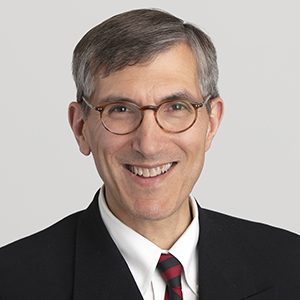
Peter Marks Delivered Keynote Address on Thursday, February 11, 2021

Peter Marks WORLDSymposium 2020 Keynote Speaker

Peter Marks, MD, PhD, is the director of the Center for Biologics Evaluation and Research (CBER) at the U.S. Food and Drug Administration (FDA). The center is responsible for assuring the safety and effectiveness of biological products, including vaccines, allergenic products, blood and blood products, and cellular, tissue, and gene therapies.

Dr. Marks received his graduate degree in cell and molecular biology and his medical degree at New York University. Following this, he completed an Internal Medicine residency and Hematology/Medical Oncology fellowship at Brigham and Women’s Hospital in Boston, where he subsequently joined the attending staff as a clinician-scientist and eventually served as Clinical Director of Hematology.

He then moved on to work for several years in the pharmaceutical industry on the clinical development of hematology and oncology products prior to returning to academic medicine at Yale University where he led the Adult Leukemia Service and served as Chief Clinical Officer of Smilow Cancer Hospital. He joined the FDA in 2012 as Deputy Center Director for CBER and became Center Director in 2016.  Dr. Marks is board certified in internal medicine, hematology and medical oncology, and is a Fellow of the American College of Physicians.

Dr. Marks is a renowned speaker and expert in numerous areas, including the current issues facing gene therapy research not only in the Unites States, but also from a global perspective. Dr. Marks presented “Trailblazing a Regulatory Framework for Individualized Therapies” as the Keynote Address on Thursday, February 11, 2021 at 8:45 AM Eastern Standard Time (EST).

2022 Emerging Trends in Lysosomal Biology & Lysosomal Diseases: State-of-the-art for Experts

Monday, January 31, 2022 – March 15, 2022

For the tenth consecutive year, WORLDSymposium™ began with “Emerging Trends”. This half day CME/CE course provides a state-of-the-art update for experts working in lysosomal biology and lysosomal diseases.

Emerging Trends 2022 was offered as a  pre-recorded virtual-only session that was available to view online starting Monday, January 31, 2022  and available to watch on demand until March 15, 2022.  (No in-person meeting will be held for this session, it will be virtual online only.)

Upon completion of this educational activity, the participant should be better able to:

Learning Objectives

  1. Describe the basic structure, function and molecular biology of lysosomes.
  2. Identify specific lysosomal diseases, their clinical manifestations, and means of diagnosis.
  3. Review current treatments for lysosomal diseases, the potential side effects, and their expected clinical outcomes.
  4. Correlate the molecular biology of lysosomes with clinical features, diagnostic testing, and treatment approaches.
  5. Identify important regulatory considerations in the design of a clinical trial for lysosomal diseases.

Preliminary Agenda

Chair: Chester B. Whitley, PhD, MD
Course Director
WORLDSymposium;and “Emerging Trends: State-of-the-Art for Experts”
Professor, Department of Pediatrics, and
Experimental and Clinical Pharmacology
University of Minnesota
Principal Investigator, Lysosomal Disease Network
Minneapolis, MN, USA

Andrew P. Lieberman, PhD MD
Abrams Collegiate Professor of Pathology
Director of Neuropathology
University of Michigan Medical School
Ann Arbor, MI, USA

Marc C. Patterson, MD, FRACP
Professor of Neurology, Pediatrics and Medical Genetics
Editor-in-Chief, Journal of Child Neurology and Child Neurology Open
Editor, Journal of Inherited Metabolic Disease and JIMD Reports
Mayo Clinic Children’s Center
Rochester, MN, USA

Jeanine R. Jarnes, PharmD, BCOP, BCPS
Assistant Professor
Department of Pediatrics, Medical School and
Experimental and Clinical Pharmacology
College of Pharmacy
University of Minnesota
Minneapolis, MN, USA

Patroula Smpokou, MD
Deputy Director
Division of Rare Diseases & Medical Genetics
Office of New Drugs | CDER | FDA
Silver Spring, MD, USA

Michael Osterholm, PhD, MPH
Regents Professor
McKnight Presidential Endowed Chair in Public Health
Director, Center for Infectious Disease Research and Policy
Distinguished Teaching Professor, Division of Environmental Health Sciences
School of Public Health
Professor, Technological Leadership Institute, College of Science & Engineering
Adjunct Professor, Medical School
University of Minnesota
Minneapolis, MN, USA

Alan Finglas
MSD Action Foundation / SavingDylan.com
Founder & Research Manager
Dublin, Ireland
Patient Advocate and Parent/Caregiver to a child affected by
Multiple Sulfatase Deficiency

Melissa J. Hogan, JD
Principal Consultant
Doulots, LLC
Inaugural Member, Patient Engagement Collaborative
U.S. Food and Drug Administration
Author, “Afraid of the Doctor: Every Parent’s Guide to Preventing and Managing Medical Trauma”
Founder, Project Alive, a Hunter Syndrome Research and Advocacy Foundation
Nashville, TN, USA

Robert J. Gorlin Symposium

Precision Metrics for Cognition

Program Chair: Elsa Shapiro, PhD
February 6, 2022
3:00 – 5:00 PM Pacific Standard Time (PST)

The Robert J. Gorlin Symposium, honors the work of Robert James Gorlin, DDS, PhD. Dr. Gorlin was an maxillofacial pathologist, geneticist and academician at the University of Minnesota School of Dentistry. His groundbreaking research in genetic disorders of the head and neck, spanning over 50 years, revolutionized the understanding of the morphology of lysosomal diseases and many other genetic disorders. The inaugural Robert J. Gorlin Symposium, Precision Metrics for Cognition, focused on groundbreaking metrics to measure cognitive function in children with lysosomal diseases.

About the Session

This new session at WORLDSymposium 2022 discussed the urgent need to develop and implement precise metrics for measuring cognitive change in children with lysosomal diseases. Precision Metrics for Cognition brought together leading experts to provide an explanation and rationale for using growth scale values (GSVs) to measure developmental longitudinal cognitive change in children with early onset and severe lysosomal diseases.

Through examples and case studies, experts shared more about the need for increased precision in measuring cognitive change and how GSVs are useful when facing the challenge of revealing the developmental trajectory of young children.

The goal of this session was to provide attendees with insight into the perspective of regulatory bodies, and determine how to apply this approach in their research to reliably and precisely measure cognitive change.

Session Sponsors

This session is Sponsored by:

Learning Objectives

  • Review the range of metrics for measuring cognitive and adaptive outcomes.
  • Discuss Growth Scale Values (GSVs) and their historical development.
  • Differentiate the advantages and limitations of GSVs.
  • Analyze how GSVs and other metrics have been used in clinical trials and natural history studies and what additional data is needed to validate these metrics.
  • Summarize the regulatory perspective on expectations for metrics in clinical trials.

Preliminary Agenda

3:00 PM
Introduction and insights
Elsa Shapiro, PhD, ABPP

3:15 PM
Growth scale values (GSVs): Theory, development, and characteristics
Mark H. Daniel, PhD

3:30 PM
Advantages of GSVs in clinical trials
Paul E. Williams, PsyD

3:40 PM
Measuring cognitive outcomes with GSV’s in MPS I
Julie B. Eisengart, PhD, LP

3:50 PM
Use of GSV scores in natural history of MPS IIIB
Bernice Kuca, MS

4:00 PM
Use of GSVs using the Vineland in CLN3 Batten disease
Heather Adams, PhD

4:10 PM
Measuring cognitive and developmental outcomes in trials for neuronopathic lysosomal diseases
Patroula Smpokou, MD

4:25 PM
Panel Discussion and Audience Q&A

5:00 PM
Adjourn

Faculty

Elsa Shapiro, PhD, ABPP (CHAIR)
Shapiro Neuropsychology Consulting, LLC
Professor of Pediatrics and Neurology
University of Minnesota
Portland, OR

Mark H. Daniel, PhD
Consultant
Mark Daniel Services, LLC
Blaine, MN

Paul E. Williams, PsyD
Senior Pharma Assessment Consultant
Pearson Clinical Assessment
Orlando, FL

Julie B. Eisengart, PhD, LP
Associate Professor Department of Pediatrics
Director Neurodevelopmental Program in Rare Disease
Division of Clinical Behavioral Neuroscience
University of Minnesota
Minneapolis, MN

Bernice Kuca, MS
Head of Clinical/Regulatory Operations
Allievex Corporation
Boston, MA

Heather Adams, PhD
Associate Professor
Department of Neurology – Division of Child Neurology
University of Rochester Medical Center
Rochester, NY

Patroula Smpokou, MD  
Deputy Director
Division of Rare Diseases & Medical Genetics (DRDMG)
Office of New Drugs, CDER, FDA
Washington, DC

WORLDSymposium™ 2022 Full Program on Lysosomal Diseases

On Sunday afternoon, the Robert J. Gorlin Symposium honored the work of Robert James Gorlin, DDS, PhD. Dr. Gorlin was an maxillofacial pathologist, geneticist and academician at the University of Minnesota School of Dentistry. His groundbreaking research in genetic disorders of the head and neck, spanning over 50 years, revolutionized the understanding of the morphology of lysosomal diseases and many other genetic disorders. The inaugural Robert J. Gorlin Symposium, Precision Metrics for Cognition, will focus on groundbreaking metrics to measure cognitive function in children with lysosomal diseases. Download the WORLDSymposium 2022 program (PDF 150KB).
 Robert J. Gorlin Symposium
Precision Metrics for Cognition
(Registration required)
3:00Elsa Shapiro
University of Minnesota
Portland, OR, United States
Introduction and insights
3:15Mark H. Daniel
Mark Daniel Services, LLC
Blaine, MN, United States
Growth scale values (GSVs): Theory, development, and characteristics
3:30Paul E. Williams
Pearson Clinical Assessment
Orlando, FL, United States
Advantages of GSVs in clinical trials
3:40Julie B. Eisengart
University of Minnesota
Minneapolis, MN, United States
Measuring cognitive outcomes with GSV’s in MPS I
3:50Bernice Kuca
Allievex Corporation
Boston, MA, United States
Use of GSV scores in natural history of MPS IIIB
4:00Heather Adams
University of Rochester Medical Center
Rochester, NY, United States
Use of GSVs using the Vineland in CLN3 Batten disease
4:10Patroula Smpokou
Division of Rare Diseases & Medical Genetics (DRDMG)
Office of New Drugs, CDER, FDA
Washington, DC, United States
Measuring cognitive and developmental outcomes in trials for neuronopathic lysosomal diseases
4:25Panel Discussion and Audience Q&A 
5:00Adjourn 

After the presentation of the Innovation Award, the formal scientific sessions of WORLDSymposium 2022 officially began with presentations on laboratory research for lysosomal disease. Presentations during the Basic Science sessions are designed to improve our understanding or prediction of the phenomena involved in lysosomal pathology at a molecular, cellular, and animal model level in order to forwardly think about diagnosis and treatment of lysosomal conditions. These Basic Science sessions are always innovative and present the latest findings in the field.  Download the WORLDSymposium 2022 program (PDF 150KB).

Basic Science

Moderators: Brian Bigger & Lalitha Belur

7:30Chester B. Whitley
University of Minnesota
Minneapolis, MN, United States
Welcome & Announcements
Presentation of 2022 Roscoe O. Brady Award for Innovation and Accomplishment to Stuart A. Kornfeld
7:35Stuart A. Kornfeld
Washington University
St. Louis, MO, United States
Dissecting the Mannose 6-Phosphate Pathway – A Key to Understanding Lysosomal Enzyme Trafficking
8:00Allisandra Rha
CHOC Children’s Research Institute
Orange, CA, United States
Prime editing corrects the c.1826dupA mutation in infantile-onset Pompe disease
 Travis Moore
Sainte-Justine Research Center
Montreal, QC, Canada
IPSC derived neurons of mucopolysaccharidosis type III patients show pronounced synaptic defects
*2022 Young Investigator Award Recipient
 Oriana Mandolfo
The University of Manchester
Manchester, United Kingdom
Systemic immune challenges exacerbate inflammation and cognitive decline in a mouse model of MPS IIIA
*2022 Young Investigator Award Recipient
 Mahsa Taherzadeh
McGill University
Montreal, QC, Canada
Expression of misfolded HGSNAT protein aggravates neurological phenotype in mucopolysaccharidosis type IIIC
*2022 Young Investigator Award Recipient
 Live Moderated Q&AAllisandra Rha, Travis Moore, Oriana Mandolfo, and Mahsa Taherzadeh
9:00Miles Smith
University of Minnesota
Minneapolis, MN, United States
Comparative effectiveness of intravenous and intrathecal AAV9.CB7.hIDS (RGX-121) in a murine model of mucopolysaccharidosis type II
 Gani Perez
NHGRI, National Institutes of Health
Bethesda, MD, United States
Behavioral and whole transcriptome analyses of a gba-haploinsufficient Parkinson murine model
 Tsui-Fen Chou
California Institute of Technology
Pasadena, CA, United States
Enzyme replacement therapy (ERT) for MPS IIID
 Marya Sabir
National Human Genome Research Institute, National Institutes of Health
Bethesda, MD, United States
A novel experimental mouse model to investigate a free sialic acid storage disorder (Salla disease)
*2022 Young Investigator Award Recipient
 Live Moderated Q&AMiles Smith, Gani Perez, Tsui-Fen Chou, and Marya Sabir
10:00Break 
10:30Elizabeth Braunlin
University of Minnesota
Minneapolis, MN, United States
Aortic dilation in murine mucopolysaccharidosis type I: A tale of two strains
 Ik Hui Kho
McGill University
Montreal, QC, Canada
Severe kidney dysfunction in the mouse model of sialidosis reveals novel role of neuraminidase 1 in reabsorption process
*2022 Young Investigator Award Recipient
 Fiona Weaver
McMaster University
Hamilton, ON, Canada
Endoplasmic reticulum stress derives neurodegeneration in the spinal cord of Sandhoff disease mice
*2022 Young Investigator Award Recipient
 Sarah Kim
University of Minnesota
Minneapolis, MN, United States
Cerebrospinal fluid chitotriosidase as a surrogate endpoint of the efficacy of the PS gene editing system in neurodegenerative lysosomal diseases
 Live Moderated Q&AElizabeth Braunlin, Ik Hui Kho, Fiona Weaver, and Sarah Kim
11:30Break and Satellite Symposia 
1:00Gisele Pino
Mayo Clinic
Rochester, MN, United States
The synergy of multiplex testing to screen for lysosomal disorders (LD)
 Xuefang Pan
CHU Ste-Justine Research Centre, Université de Montreal
Montreal, QC, Canada
Neurodegenerative role of lysosomal cathepsin B in MPS IIIC
 Francyne Kubaski
UFRGS/HCPA
Porto Alegre, Brazil
Prenatal diagnosis of mucopolysaccharidosis type VI by analysis of the amniotic fluid supernatant in the mass spectrometry era
 Sukirhini Balendran
Medical University of Vienna
Vienna, Austria
Rapid identification of IOPD and early-onset Pompe disease by biochemical enzymatic testing followed by genetic confirmation
 Live Moderated Q&AGisele Pino, Xuefang Pan, Francyne Kubaski, and Sukirhini Balendran
2:00Behzad Najafian
University of Washington
Seattle, WA, United States
Venglustat reduces globotriaosylceramide inclusions in skin arterial smooth muscle cells in treatment naive males with classic Fabry disease
 Sireesha Murala
Duke University Medical Center
Durham, NC, United States
Diffusion tensor imaging (DTI) findings in children with Pompe disease: Insights into white matter hyperintensities from a longitudinal study
*2022 Young Investigator Award Recipient
 Walla Al-Hertani
Boston Children’s Hospital
Boston, MA, United States
A 3-year pilot screening program for lysosomal disorders in the Latin America (LATAM) region using an integrated enzymatic and molecular approach
 Joseph Muenzer
University of North Carolina Chapel Hill
Chapel Hill, NC, United States
Fifteen years of the Hunter Outcome Survey (HOS): Real-world insights into the patient population living with mucopolysaccharidosis type II (MPS II)
 Live Moderated Q&ABehzad Najafian, Sireesha Murala, Walla Al-Hertani, and Joseph Muenzer
3:00Poster Session in the Exhibit Hall 
5:30Satellite Symposia 

After the presentation of the 2022 Young Investigator Awards and the Patient Advocate Leader (PAL) award, the entirety of the research presentations on Tuesday are dedicated to the Translational Research category. In 2022, many of the presentations were dedicated to research topics in gene therapy, including innovations occurring in Genetic Therapeutic Approaches in Translation from Laboratory to the Clinic. Download the WORLDSymposium 2022 program (PDF 150KB).

Translational Research

Moderators: PJ Brooks & Ellen Sidransky

7:30Chester B. Whitley
University of Minnesota
Minneapolis, MN, United States
2022 Patient Advocate Leader (PAL) Award Announcement and Presentation to Sue Kahn and 2022 Young Investigator Awards Announcement and Presentation
8:00Jennifer Cohen
Duke University
Durham, NC, United States
In utero enzyme replacement therapy in a fetus with infantile-onset Pompe disease
 Tahseen Mozaffar
University of California Irvine
Irvine, CA, United States
AT845 gene replacement therapy for late onset Pompe disease: Overview of clinical data from FORTIS, a phase 1/2 open-label clinical study
 Kevin Flanigan
Nationwide Children’s Hospital
Columbus, OH, United States
Interim results of Transpher A, a multicentre, single-dose, phase 1/2 clinical trial of ABO-102 investigational gene therapy for Sanfilippo syndrome type A (mucopolysaccharidosis type IIIA)
 Tierra Bobo
University of North Carolina at Chapel Hill
Chapel Hill, NC, United States
Facilitate by-stander effects by EV-mRNA cargo in AAV gene replacement therapy for treating MPS IIIC
*2022 Young Investigator Award Recipient
 Live Moderated Q&AJennifer Cohen, Tahseen Mozaffar, Kevin Flanigan, and Tierra Bobo
9:00Maximiliano Presa
The Jackson Laboratory
Bar Harbor, ME, United States
Efficacy of a scAAV9/SUMF1 viral vector for the treatment of multiple sulfatase deficiency
 Lalitha Belur
University of Minnesota
Minneapolis, MN, United States
Treatment of cardiac, neurologic, and skeletal manifestations of murine MPS I with AAV9-IDUA: Efficacy study of vector dose and route of administration
 Stuart Ellison
University of Manchester
Manchester, United Kingdom
Enhanced transduction and immunophenotyping demonstrates preclinical safety and efficacy of haematopoietic stem cell gene therapy for mucopolysaccharidosis type II using an IDS.ApoEII brain targeted therapy
 Michael Przybilla
University of Minnesota
Minneapolis, MN, United States
Prevention of murine GM1-gangliosidosis following heterotopic insertion of Glb1 using gene editing
 Live Moderated Q&AMaximiliano Presa, Lalitha Belur, Stuart Ellison, and Michael Przybilla
10:00Break & Exhibits 
10:30Jonathan Cooper
Washington University in St Louis
St Louis, MO, United States
Amelioration of enteric nervous system defects via gene therapy in CLN1 disease mice
 Hemanth Nelvagal
Washington University in St. Louis
St. Louis, MO, United States
Efficacy of recombinant human PPT1 enzyme replacement therapy in mouse and sheep models of CLN1 disease
 Jaya Ganesh
The Icahn School of Medicine at Mount Sinai
New York, NY, United States
Preliminary results of the STAAR study, a phase I/II study of isaralgagene civaparvovec (ST-920) gene therapy in adults with Fabry disease
 Francyne Kubaski
UFRGS/HCPA
Porto Alegre, Brazil
Pilot study update: Newborn screening for lysosomal disorders in Brazil
 Live Moderated Q&AJonathan Cooper, Hemanth Nelvagal, Jaya Ganesh, and Francyne Kubaski
11:30Break, Exhibits and Satellite Symposia 
1:00Troy Lund
University of Minnesota
Minneapolis, MN, United States
Bone marrow and umbilical cord blood are equivalent stem cell sources for Hurler syndrome
 Igor Nestrasil
University of Minnesota
Minneapolis, MN, United States
Quantitative brain MRI morphology in severe and attenuated forms of mucopolysaccharidosis type I
 Lynda Polgreen
The Lundquist Institute at Harbor-UCLA
Torrance, CA, United States
Anthropometric and joint deficits in children with mucopolysaccharidosis despite current treatments: A 10-year multi-site longitudinal study
 Amy White
Mayo Clinic
Rochester, MN, United States
Comparison of psychosine analysis in dried blood spots and red blood cells from children with Krabbe disease
 Live Moderated Q&ATroy Lund, Igor Nestrasil, Lynda Polgreen, and Amy White
2:00Erin Huggins
Duke University
Durham, NC, United States
Early clinical phenotype of late-onset Pompe disease: Lessons learned from newborn screening
 Lisa Berry
Cincinnati Children’s Hospital Medical Center
Cincinnati, OH, United States
Newborn screening for lysosomal disorders: The Ohio experience
 Haiyan Fu
University of North Carolina at Chapel Hill
Chapel Hill, NC, United States
Transient depletion of pre-existing antibodies for efficient AAV gene delivery
 Jillian Gallagher
University of Massachusetts Medical School
Worcester, MA, United States
Sialidosis: From gene editing to gene therapy
*2022 Young Investigator Award Recipient
 Live Moderated Q&AErin Huggins, Lisa Berry, Haiyan Fu, and Jillian Gallagher
3:00Poster Session in the Exhibit Hall 
5:30Satellite Symposia 

Wednesday began with a novel keynote address by Dr. Tippi MacKenzie. Following Dr. MacKenzie’s address, the presentations shift to Clinical Applications, including abstracts on Clinical Trials for Registration. Abstracts presented in this category will have a US FDA Investigational New Drug (IND) application for a phase I-III clinical trial or hold an EMA Investigational Medicinal Product Dossier (IMPD) or equivalent. Clinical Outcomes abstracts will also be presented. Download the WORLDSymposium 2022 program (PDF 150KB).

Clinical Applications

Moderators: Danilo Tagle & Lynda Polgreen

7:30Chester B. Whitley
University of Minnesota
Minneapolis, MN, United States
Welcome and Keynote Speaker Introduction
7:35Tippi MacKenzie
University of California, San Francisco
San Francisco, CA, United States
Prenatal enzyme replacement therapy for lysosomal disorders: Launching a phase I clinical trial
8:00Simon Jones
St. Mary’s Hospital
Manchester, United Kingdom
Clinical trial update: Ex-vivo autologous haematopoietic stem cell gene therapy in MPS IIIA
 Paul Harmatz
UCSF Benioff Children’s Hospital
Oakland, CA, United States
RGX-121 gene therapy for the treatment of severe mucopolysaccharidosis type II (MPS II): Interim analysis of data from the first in-human study
 Maurizio Scarpa
Regional Coordinator Centre for Rare Diseases, University Hospital of Udine
Udine, Italy
Continued improvement in pulmonary outcomes in 3 clinical trials of olipudase alfa in children and adults with chronic acid sphingomyelinase deficiency treated for 2 to 6.5 years
 Raymond Wang
CHOC Children’s Hospital
Orange, CA, United States
RGX-111 gene therapy for the treatment of severe mucopolysaccharidosis type I (MPS I): Interim analysis of data from the first in-human study
 Live Moderated Q&ATippi MacKenzie, Simon Jones, Paul Harmatz, Maurizio Scarpa, and Raymond Wang
9:00Roberto Giugliani
Federal University of Rio Grande do Sul
Porto Alegre, Brazil
Long term efficacy and safety of pabinafusp-alfa (JR-141) in Hunter syndrome (MPS-II): 104-week data from the clinical trials in Japan and Brazil
 Robin Lachmann
Charles Dent Metabolic Unit, National Hospital for Neurology and Neurosurgery
London, United Kingdom
Sustained and continued improvements in pulmonary function, hepatosplenomegaly, dyslipidemia, and disease biomarkers in 5 adults with chronic acid sphingomyelinase deficiency after 6.5 years of olipudase alfa enzyme replacement therapy
 Ian O’Connor
Medical University of South Carolina College of Medicine
Charleston, SC, United States
Incidental diagnosis of lysosomal diseases by expanded carrier screening and direct-to-consumer genetic testing
 Linda Scheffers
Erasmus MC
Rotterdam, Netherlands
Effects of enzyme replacement therapy on cardiac function and structure in classic infantile Pompe disease: Up to 22 years of follow-up
*2022 Young Investigator Award Recipient
 Live Moderated Q&ARoberto Giugliani, Robin Lachmann, Ian O’Connor, and Linda Scheffers
10:00Break & Exhibits 
10:30Yin-Hsiu Chien
National Taiwan University Hospital
Taipei, Taiwan
Immunogenicity of cipaglucosidase alfa/miglustat versus alglucosidase alfa/placebo in late-onset Pompe disease (LOPD): A phase III, randomized study (PROPEL)
 Eric Mallack
Weill Cornell Medicine
New York, NY, United States
A phase 1/2 open-label, multicenter, dose ranging and confirmatory study to assess the safety, tolerability and efficacy of PBKR03 administered to pediatric subjects with early infantile Krabbe disease (globoid cell leukodystrophy; GALax-C)
 Shaun Brothers
University of Miami Miller School of Medicine
Miami, FL, United States
Development of formulated resveratrol (micellar resveratrol) as a small molecule treatment for MPS I
 Jerry Vockley
University of Pittsburgh
Pittsburgh, PA, United States
An open-label, phase 1/2 trial of gene therapy 4D-310 in adult males with Fabry disease
 Live Moderated Q&AYin-Hsiu Chien, Eric Mallack, Shaun Brothers, and Jerry Vockley
11:30Break, Exhibits and Satellite Symposia 
1:00Cynthia Tifft
National Human Genome Research Institute
Bethesda, MD, United States
Phase 1/2 trial of AXO-AAV-GM1 (AAV9-GLB1) gene therapy for infantile- and juvenile-onset GM1 gangliosidosis
 Jeanine Jarnes
University of Minnesota
Minneapolis, MN, United States
Phase 1/2 open-label, multi-center study to assess the safety, tolerability and efficacy of a single dose of PBGM01 delivered into the cisterna magna of subjects with type 1 (early onset) and type 2a (late onset) infantile GM1 gangliosidosis
 Saima Kayani
University of Texas Southwestern Medical Center
Dallas, TX, United States
Preliminary safety data of a phase I first in-human clinical trial support the use of high dose intrathecal AAV9/CLN7 for the treatment of patients with CLN7 disease
 Stephanie Cherqui
University of California, San Diego
La Jolla, CA, United States
Hematopoietic stem cell gene therapy for cystinosis: Updated results from a phase I/II clinical trial
 Live Moderated Q&ACynthia Tifft, Jeanine Jarnes, Saima Kayani, and Stephanie Cherqui
2:00Ecenur Tuc Bengur
University of Pittsburgh Medical Center – Children’s Hospital of Pittsburgh
Pittsburgh, PA, United States
Psychosine predicts age of onset in babies with Krabbe disease
 Uma Ramaswami
Royal Free London Hospital
London, United Kingdom
Migalastat HCl 150 mg every other day is well-tolerated and efficacious in adolescent patients with Fabry disease
 Shoshana Revel-Vilk
Shaare Zedek Medical Center
Jerusalem, Israel
Markers of inflammation and alpha degranulation defect of platelets in patients with Gaucher disease
 Michal Becker-Cohen
Shaare Zedek Medical Center
Jerusalem, Israel
An 18-month report on the safety and efficacy of rapid intravenous velaglucerase alfa infusions in naïve patients with Gaucher disease
 Live Moderated Q&AEcenur Tuc Bengur, Uma Ramaswami, Shoshana Revel-Vilk, and Michal Becker-Cohen
3:00Poster Session in the Exhibit Hall 
5:30Satellite Symposia 

The fourth research day of the meeting began with the New Treatment Awards. Then, for the third year, the Contemporary Forum allows for presentation of scientific abstracts — Basic, Translational, and Clinical — submitted by industry first-author researchers. Although the first three days of WORLDSymposium are accredited and approved for CME credit, Commercial Interests are not eligible for ACCME accreditation. The Contemporary Forum allows commercial interests to present their work to the WORLDSymposium audience, in this non-CME session, while being held to all the same standards as the ACCME accredited sessions and scored for merit and interest by the same Program Committee. Download the WORLDSymposium 2022 program (PDF 150KB).

Contemporary Forum

Moderators: Uma Ramaswami & Marc Patterson

The following session is not available for CE accreditation; CE credits for GCs may apply.

7:30Chester B. Whitley
University of Minnesota
Minneapolis, MN, United States
Welcome and New Treatment Awards
8:00Anna Bakardjiev
Denali Therapeutics
South San Francisco, CA, United States
Interim 49-week results of a phase 1/2 study of intravenous DNL310 (brain-penetrant enzyme replacement therapy) in MPS II
 Jacinthe Gingras
Homology Medicines
Bedford, MA, United States
Clinical trial design for HMI-203 investigational gene therapy for mucopolysaccharidosis type II (MPS II) informed by cross-correction potential and KOL input
 Nidal Boulos
REGENXBIO
Rockville, MD, United States
Identification of a biomarker that differentiates neuronopathic forms of MPS I and MPS II
 Laura Smith
Homology Medicines
Bedford, MA, United States
Summary of nonclinical data for gene therapy developmental candidate HMI-203 for mucopolysaccharidosis type II (MPS II, or Hunter syndrome)
 Live Moderated Q&AAnna Bakardjiev, Jacinthe Gingras, Nidal Boulos, and Laura Smith
9:00Rebeca Choy
Maze Therapeutics, Inc
South San Francisco, CA, United States
In-vitro characterization of MZE001, an orally active GYS1 inhibitor to treat Pompe disease
 Maria Praggastis
Regeneron Pharmaceuticals
Tarrytown, NY, United States
BBB-targeted GAA delivered as gene therapy treats CNS and muscle in Pompe disease model mice
 Julie Ullman
Maze Therapeutics
South San Francisco, CA, United States
Substrate reduction therapy for Pompe disease: Small molecule inhibition of glycogen synthase 1 in preclinical models
 Niek van Til
AVROBIO, Inc.
Cambridge, MA, United States
Long-term hematopoietic stem cell lentiviral gene therapy rescues neuromuscular manifestations in preclinical study of Pompe disease mice
 Live Moderated Q&ARebeca Choy, Maria Praggastis, Julie Ullman, and Niek van Til
10:00Break & Exhibits 
10:30Maria Escolar
University of Pittsburgh
Pittsburgh, PA, United States
FBX-101, an intravenous AAV gene replacement therapy given after infusion of hematopoietic stem cells, extends efficacious dose ranging and corrects disease manifestations in Krabbe disease
 Russell Gotschall
M6P Therapeutics
St. Louis, MO, United States
M011: A novel highly phosphorylated β-glucocerebrosidase enzyme with broader tissue biodistribution for the treatment of Gaucher disease
 Erika Pearson
Sigilon Therapeutics
Cambridge, MA, United States
Development of a novel encapsulated non-viral cell-based, BBB-penetrant therapy for MPS I
 Francois-Xavier Frapaise
Lysogene
Neuilly-sur-Seine, France
A study of intracisternal administration of adeno-associated viral vector serotype rh.10 carrying the human β-galactosidase cDNA for the treatment of GM1 gangliosidosis: Preliminary results of the safety cohort
 Live Moderated Q&AMaria Escolar, Russell Gotschall, Erika Pearson, and Francois-Xavier Frapaise
11:30Break, Exhibits and Satellite Symposia 
1:00Christiane Hampe
Immusoft
Seattle, WA, United States
Iduronidase-transposed human B lymphocytes correct enzyme deficiency and glycosaminoglycan storage disease in immunodeficient mucopolysaccharidosis type I mice
 Andrew Hedman
M6P Therapeutics
St. Louis, MO, United States
A novel S1S3 phosphotransferase co-expression gene therapy platform for lysosomal disorders
 Elizabeth Hwang-Wong
Regeneron Pharmaceuticals
Tarrytown, NY, United States
Defining phenotype reversibility in lysosomal disease: Leveraging a COIN model in mucopolysaccharidosis type VI (MPS VI)
 Leslie Jacobsen
Neurogene Inc.
New York, NY, United States
Efficacy of gene therapy in a CLN5 sheep model using a dual route of administration supports a first-in-human clinical trial
 Live Moderated Q&AChristiane Hampe, Andrew Hedman, Elizabeth Hwang-Wong, and Leslie Jacobsen
2:00Kyle Landskroner
Azafaros
Basel, Switzerland
Characterization of AZ-3102, a novel brain-penetrant small molecule, in the Niemann-Pick disease type C mouse model
 Ralph Laufer
Lysogene
Neuilly-sur-Seine, France
AAVance gene therapy study in children with mucopolysaccharidosis type IIIA
 Mariana Loperfido
AVROBIO Inc
Cambridge, MA, United States
High-resolution cellular and molecular follow up of lysosomal disease patients treated with hematopoietic stem cell lentiviral gene therapy
 Luca Biasco
AVROBIO, Inc.
Cambridge, MA, United States
High throughput monitoring of safety, potency and stability of gene therapy cell products in lysosomal disease patients
 Live Moderated Q&AKyle Landskroner, Ralph Laufer, Mariana Loperfido, and Luca Biasco
3:00Poster Session in the Exhibit Hall 
5:30Satellite Symposia 

Toward bringing the most recent research to the platform of WORLDSymposium 2022, after the late-breaking abstract submissions closed on December 1, 2021, selected late-breaking abstracts were identified by the Program Committee as being suitable for platform presentation. In order to provide access to the “hot-off-the-presses” content from these researchers, late-breaking abstracts were reviewed and scored, and the top-scoring abstracts were selected for presentation during the 2022 meeting. Download the WORLDSymposium 2022 program (PDF 150KB).

Late-Breaking Science

Moderators: Roberto Giugliani & Elizabeth Braunlin

The following session is not available for CE accreditation; CE credits for GCs may apply.

6:45Satellite Symposia 
8:00Su Syonmez
Orchard Therapeutics
London, United Kingdom
First-in-human phase I/II clinical trial of hematopoietic stem and progenitor cell gene therapy for Hurler syndrome: Favorable safety profile and extensive metabolic correction
 Priya Kishnani
Division of Medical Genetics, Duke University Medical Center
Durham, NC, United States
Avalglucosidase alfa improves health-related quality of life (HRQoL) in patients with late-onset Pompe disease (LOPD) vs. alglucosidase alfa: Patient-reported outcome measures (PROMs) from the phase 3 COMET trial
 Derralynn Hughes
Royal Free London NHS Foundation Trust
London, United Kingdom
Safety and efficacy of FLT190 for the treatment of patients with Fabry disease: Results from the MARVEL-1 phase 1/2 clinical trial
 David Weinstein
Passage Bio
Philadelphia, PA, United States
Safety, biomarker and preliminary efficacy results following ICM administration of PBGM01 in children with late onset infantile GM1-gangliosidosis
 Live Moderated Q&ASu Syonmez, Priya Kishnani, Derralynn Hughes, and David Weinstein
9:00Taylor Fields
IntraBio Ltd
Oxford, United Kingdom
N-acetyl-l-leucine improves symptoms and functioning in Niemann-Pick disease type C (NPC) and GM2 gangliosidosis (Tay-Sachs disease & Sandhoff disease): Results from two parallel, multi-national, rater-blinded clinical trials
 Chase Chen
National Institutes of Health
Bethesda, MD, United States
Investigation into the pathophysiology of GBA1-associated Parkinson disease using organelle-specific proteomics
 Jagdeep Walia
Kingston Health Sciences Centre and Queen’s University Kingston
Kingston, ON, Canada
AZ-3102, a novel brain-penetrant small molecule, significantly improves survival of Sandhoff disease mice
 Markus Schwarz
ARCHIMEDlife
Vienna, Austria
High-risk population screening by differential diagnosis for mucopolysaccharidoses (MPSs)
 Live Moderated Q&ATaylor Fields, Chase Chen, Jagdeep Walia, and Markus Schwarz
10:00Break 
10:15Victoria Jensen
Lacerta Therapeutics
Alachua, FL, United States
Long-term correction of mucopolysaccharidosis type IIIB disease phenotype following central nervous system administration of AAV-NAGLU
 Naresh Kumar Meena
National Institutes of Health
Bethesda, MD, United States
Liver-directed and systemic AAV gene transfer approaches for Pompe disease therapy
 Kwi Hye Kim
REGENXBIO Inc
Rockville, MD, United States
Establishment of in vitro model of CLN2 retinopathy using human induced pluripotent stem cells
 John Mitchell
Montreal Children’s Hospital
Montreal, QC, Canada
Long-term outcomes of MPS IVA patients treated with elosulfase alfa: Findings from the Morquio A Registry Study (MARS) after 6 years
 Live Moderated Q&AVictoria Jensen, Naresh Kumar Meena, Kwi Hye Kim, and John Mitchell
11:15Meeting Adjourns 

2022 PATIENT ADVOCATE SHOWCASE

Cure GM 1 Foundation

The CURE GM1 FOUNDATION’s mission is to fund research for the benefit of all those who suffer from GM1 gangliosidosis. This nonprofit organization was founded by parents of children who suffer from GM1 who seek to save the lives of all those who suffer from this wretched condition. The Cure GM1 Foundation is dedicated to directly funding research for a cure for GM1 gangliosidosis – a lysosomal storage disease that attacks the brain and spinal cord, and is always fatal in children. GM1 is a progressive and degenerative condition with an extremely broad and debilitating array of symptoms and complications.


Cure Sanfilippo Foundation

Cure Sanfilippo Foundation is a 501c3 nonprofit who advocates, collaborates, and funds innovative and breakthrough research to ensure multiple promising paths are being explored for Sanfilippo Syndrome, in the effort to save children and better their quality of life. In addition to funding additional clinical trials, the Foundation has a focus on: 1) working with the FDA and biotechs regarding appropriate clinical trial endpoints and ensuring the caregiver voice is being incorporated every step of the way; 2) earlier diagnosis, diagnostic testing, and newborn screening; and 3) providing guidance and support to families who are navigating the landscape of clinical trials, insurance and physician support.


Global Genes

Global Genes is dedicated to eliminating the burdens and challenges of rare diseases for patients and families. In pursuit of our mission, we connect, empower, and inspire the rare disease community to become more effective on their own behalf ⁠— activating innovation, build capacity and drive progress across rare diseases.


IWGGD

The International Working Group on Gaucher Disease (IWGGD) is a non-profit network established to promote clinical and basic research into Gaucher disease for the ultimate purpose of improving the lives of patients with this disease; it brings together clinicians, scientists and patients in an open forum for discussion on all aspects of the condition.


Living in the Light

Living in the Light™ is a patient advocacy initiative producing unique and engaging content that educates the biotech industry and medical communities about the realities of rare and chronic diseases and the profound effect they have on families and daily life.


MLD Foundation

MLD Foundation is a 501(c)(3) non-profit US tax-exempt organization. We were formed in May 2001 to serve families throughout the world affected by metachromatic leukodystrophy (MLD), a terminal genetic disease.


National MPS Society

The National MPS Society exists to find cures for MPS and ML. We provide hope and support for affected individuals and their families through research, advocacy and awareness of these devastating diseases.


NORD

NORD, a 501(c)(3) organization, is a patient advocacy organization dedicated to individuals with rare diseases and the organizations that serve them. NORD, along with its more than 300 patient organization members, is committed to the identification, treatment, and cure of rare disorders through programs of education, advocacy, research, and patient services.


NTSAD (National Tay-Sachs & Allied Diseases Association)

NTSAD’s mission is to lead the worldwide fight to treat and cure Tay-Sachs, Canavan, GM1, and Sandhoff diseases by driving research, forging collaboration, and fostering community. Supporting families is the center of everything we do. Our vision is that we will accomplish our mission by funding global cutting edge research, by helping to provide families with compassionate care and support, and by collaborating effectively with the healthcare community to achieve our goals.

2022 DIAMOND EXHIBITORS

Amicus Therapeutics

Amicus Therapeutics is a global, patient-dedicated biotechnology company focused on discovering, developing and delivering novel high-quality medicines for people living with rare metabolic diseases. With extraordinary patient focus, Amicus Therapeutics is committed to advancing and expanding a robust pipeline of cutting-edge medicines for rare metabolic diseases.


Sanofi Genzyme

Sanofi Genzyme focuses on developing specialty treatments for debilitating diseases that are often difficult to diagnose and treat, providing hope to patients and their families.


Takeda Pharmaceuticals

Takeda is a patient-focused, values-based, R&D-driven global biopharmaceutical company; our passion and pursuit of potentially life-changing treatments are rooted in our history. We know patients with rare diseases have spent their lives overcoming challenges. That’s why for 70+ years we’ve been working to support them in their fight.

2022 PLATINUM EXHIBITORS

Chiesi Global Rare Diseases

Chiesi Global Rare Diseases is a business unit of the Chiesi Group established in February 2020 and focused on research and development of treatments for rare and ultra-rare disorders. The Global Rare Diseases unit works in collaboration with Chiesi Group to harness the full resources and capabilities of our global network to bring innovative new treatment options to people living with rare diseases, many of whom have limited or no treatments available. The unit is also a dedicated partner with global leaders in patient advocacy, research and patient care.


Spark Therapeutics

At Spark Therapeutics, we are committed to developing potential gene therapies for serious genetic diseases and bringing those investigational therapies to patients. One of our areas of research is Pompe disease, a lysosomal storage disorder and neuromuscular disease resulting from a mutation in the acid alpha-glucosidase (GAA) gene. Our founders and members of our scientific team have devoted decades to the research of gene therapies with the goal of making these investigational, potential one-time treatments a reality. Spark Therapeutics is a member of the Roche Group.

2022 GOLD EXHIBITORS

AllStripes Research Inc.

AllStripes is a healthcare technology company dedicated to unlocking new treatments for people affected by rare diseases. AllStripes’ technology platform generates regulatory-ready evidence to accelerate rare disease research and drug development, and empowers patients and families to securely participate in treatment research online and benefit from their own medical data.

ARCHIMEDlife

ARCHIMEDlife is an innovative and dynamic Medical Laboratory providing high quality, specialized diagnostic services for Rare Diseases, located in Vienna, Austria. The company is committed to helping physicians and their patients avoid diagnostic odysseys by delivering leading-edge, rapid services. More than 20,000 physicians in 75 countries have trusted in ARCHIMEDlife.


Astellas Gene Therapies

Astellas Gene Therapies is an Astellas Center of Excellence developing genetic medicines with the potential to deliver transformative value for patients. Based on an innovative scientific approach and industry leading internal manufacturing capability and expertise, we are currently exploring three gene therapy modalities: gene replacement, exon skipping gene therapy, and vectorized RNA knockdown and will also advance additional Astellas gene therapy programs toward clinical investigation. We are based in San Francisco, with manufacturing and laboratory facilities in South San Francisco and Sanford, North Carolina.


BioMarin Pharmaceutical Inc.

BioMarin is a world leader in developing and commercializing innovative therapies for rare diseases driven by genetic causes. With a 20-year history, BioMarin remains steadfast to its original mission—to bring new treatments to market that will make a big impact on small patient populations. These conditions are often inherited, difficult to diagnose, progressively debilitating, have few, if any, treatment options, and are usually ignored.


JCR Pharmaceuticals

JCR Pharmaceuticals Co., Ltd. (TSE 4552) is a global specialty pharmaceuticals company that is redefining expectations and expanding possibilities for people with rare and genetic diseases worldwide. We continue to build upon our 45-year legacy in Japan while expanding our global footprint into the US, Europe, and Latin America. We improve patients’ lives by leveraging our expertise in manufacturing and R&D to advance medicine. Our core values – reliability, confidence, and persistence – benefit all our stakeholders, including employees, partners, and patients.Together we soar.


Orchard Therapeutics

Orchard Therapeutics is a global gene therapy leader dedicated to transforming the lives of people affected by rare diseases through the development of innovative, potentially curative gene therapies. Our ex vivo autologous gene therapy approach harnesses the power of genetically modified blood stem cells and seeks to correct the underlying cause of disease in a single administration.


Passage Bio

At Passage Bio, we are on a mission to provide life-transforming genetic medicines for patients with CNS diseases that replace their suffering with boundless possibility, all while building lasting relationships with the communities we serve. Based in Philadelphia, PA, our company has established a strategic collaboration and licensing agreement with the renowned University of Pennsylvania’s Gene Therapy Program to conduct our discovery and IND-enabling preclinical work.


Taysha

Taysha Gene Therapies is on a mission to eradicate monogenic CNS disease. We have combined our team’s experience in gene therapy drug development with the world-class UT Southwestern Gene Therapy Program to build an extensive, fully integrated AAV9 gene therapy pipeline with a goal of dramatically improving patients’ lives.


Ultragenyx Pharmaceutical Inc.

Ultragenyx is a biopharmaceutical company committed to bringing to patients novel products for the treatment of serious rare and ultra-rare genetic diseases. The company has built a diverse portfolio of approved therapies and product candidates aimed at addressing diseases with high unmet medical need and clear biology for treatment, for which there are typically no approved therapies treating the underlying disease.

2022 EXHIBITORS

4DMT

4DMT is a clinical-stage company harnessing the power of directed evolution for targeted gene therapies. 4DMT seeks to unlock the full potential of gene therapy using its platform, Therapeutic Vector Evolution, which combines the power of directed evolution with approximately one billion synthetic capsid sequences to invent evolved vectors for use in targeted gene therapy products. The company is initially focused in three therapeutic areas: ophthalmology, cardiology and pulmonology.


Aceragen

Aceragen is a biopharmaceutical company addressing rare, orphan diseases. We strive to develop novel therapies to have a positive impact on the lives of patients and families. Providing rare-disease patients with compelling therapeutic options enabling them to live the fullest lives possible is our goal.


Aeglea BioTherapeutics

At Aeglea, we believe that every patient deserves a chance at a better life. We are committed to helping people with rare and devastating metabolic diseases who have limited treatment options because having a rare disease doesn’t mean that you are in this fight alone.


AVROBIO

AVROBIO Our vision is to bring personalized gene therapy to the world. We aim to prevent, halt or reverse disease throughout the body with a single dose of gene therapy designed to drive durable expression of therapeutic protein, even in hard-to-reach tissues and organs including brain, muscle and bone.


Azafaros

Azafaros is a clinical-stage Biotech start-up, founded in 2018 by experienced industry professionals and scientists aspiring to address rare genetic lysosomal storage disorders through a pipeline of oral small molecules with disease-modifying capability. Based on discoveries from Leiden University and Amsterdam University Medical Center in the Netherlands, Azafaros’ initial objective is to develop a potential disease-modifying therapy for GM1 and GM2 gangliosidoses.


Denali Therapeutics

Denali is a biotechnology company developing drug candidates engineered to cross the blood-brain barrier (BBB) for neurodegenerative diseases. Our scientific strategy is guided by three overarching principles: 1) genetic pathway potential; 2) engineering brain delivery; and 3) biomarker-driven clinical development. We are committed to advancing new potential treatments for lysosomal disorders that affect the brain, starting with DNL310, our investigational IV enzyme replacement therapy for Hunter syndrome (MPS II).


European GD Network Charitable Foundation

We encourage hematologists to join us in our goal to reduce patient risks associated with GD. Prompt recognition and management is required but major barriers to early diagnosis are a lack of disease awareness, overlooking mild early signs of GD, and a failure to consider GD as a diagnostic differential.


Freeline

Freeline is a clinical–stage biotechnology company developing transformative AAV gene therapies for people with inherited systemic debilitating diseases.


Greenwood Genetic Center

The Greenwood Genetic Center is a nonprofit institute organized to provide clinical genetic services, diagnostic laboratory testing, educational programs and resources, and research in the field of medical genetics.


Homology Medicines, Inc.

Homology Medicines, Inc. (NASDAQ: FIXX) is a clinical-stage genetic medicines company harnessing its broad and proprietary dual in vivo gene therapy and nuclease-free gene editing platform into potential one-time treatments for the rare disease community.


Idorsia Pharmaceuticals Ltd

The purpose of Idorsia is to discover, develop and commercialize innovative medicines to help more patients. We have more ideas, we see more opportunities and we want to transform the horizon of therapeutic options.
To achieve this, we will develop Idorsia into a leading biopharmaceutical company, with a strong scientific core.


Igenomix

Igenomix is a world leader in converting genetic information into actionable results. Our clinical experience, cutting-edge technology, and emphasis on research and development puts us as at the forefront of integrating genomics into precision medicine. We provide specialists with the information, tools, and support they need to make the best decisions for their patients.


Lysosomal & Rare Disorder Research & Treatment Center

LDRTC uses the latest research to unravel underlying disease-causing mechanisms, discover new biomarkers, and explore new therapeutic pathways and treatment options for persons suffering from lysosomal and other rare diseases. We provide comprehensive medical care and consultation for individuals with various LSDs nationwide and internationally. Our center serves as a platform for patients and families affected by these debilitating disorders.


M6P Therapeutics

M6P Therapeutics (M6PT) is a privately held, venture-backed biotechnology company developing the next-generation of targeted recombinant enzyme and gene therapies for lysosomal disorders. M6PT’S proprietary S1S3 co-expression platform has the unique ability to enhance phosphorylation of lysosomal enzymes for both recombinant enzyme and gene therapies, leading to improved biodistribution and cellular uptake of recombinant proteins and efficient cross-correction of gene therapy products.


Neurogene Inc.

Neurogene Inc. is a company focused on developing genetic medicines for neurological diseases. Our programs use adeno-associated virus (AAV) vector-based gene therapy technology to deliver a normal gene to patients with a dysfunctional gene. We partner with leading academic researchers, patient advocacy organizations and caregivers to bring therapies to patients that address the underlying genetic cause of a broad spectrum of neurological diseases where no effective treatment options currently exist.


Orphazyme A/S

Orphazyme is a late-stage biopharmaceutical company active in the field of rare diseases. Orphazyme is headquartered in Denmark with operations in the U.S. and Switzerland.


Paradigm Biopharmaceuticals

Paradigm Biopharmaceuticals is a late-stage drug development company headquartered in Melbourne, Australia with offices in Europe and the US. Paradigm’s primary mission is to develop and commercialise pentosan polysulfate sodium for the treatment of pain associated with musculoskeletal disorders driven by injury, inflammation, ageing, degenerative disease, infection or genetic predisposition.


Pfizer

About Pfizer: Breakthroughs That Change Patients’ Lives. At Pfizer, we apply science and our global resources to bring therapies to people that extend and significantly improve their lives. We strive to set the standard for quality, safety and value in the discovery, development and manufacture of health care products, including innovative medicines and vaccines.


Rare Disease Data Trust (RDDT)

RDDT is an innovative, high-value, low-risk data commercialization model that applies the best technology (AI & ML) to the best data (EHR) to search for rare disease patterns. RDDT enables Providers to rescue these most vulnerable patients from their diagnostic odyssey and realize revenue potential that is estimated to exceed the national top 8 surgical procedures combined.


REGENXBIO Inc.

REGENXBIO Inc. is a leading clinical-stage biotechnology company seeking to improve lives through the curative potential of gene therapy using our NAV® Technology Platform. Our gene therapy product candidates are designed to deliver functional genes, enabling the production of therapeutic proteins or antibodies that are intended to impact disease.


SEI Healthcare

SEI Healthcare, a global professional Independent Medical Education organization Established in 2007, SEI Healthcare is committed to bringing medical education tothe forefront of innovation on a global scale. Their core platform, HowITreat.MD allows HCP’s unlimited free access to the latest information and breakthroughs in a manner that is exciting and engaging. Howitreat.MD allows HCPs to access world-renowned experts across 27 therapeutic specialties in a fluid and interactive manner. While the core element of case-based learning is seen throughout the platform, omni-channel formats that include engaging videos, podcasts, journals, webinars and live interactive workshops ensure healthcare professionals can engage in their preferred medium.


Sigilon Therapeutics

Sigilon Therapeutics is a clinical- stage biotechnology company pioneering a new class of therapeutics and seeking to develop functional cures for patients with chronic diseases such as lysosomal diseases through its proprietary Shielded Therapeutics™ platform. The platform has cells producing proteins while being protected by a biomaterials matrix designed to shield them from the immune system.


Travere Therapeutics

Travere Therapeutics is a biopharmaceutical company dedicated to identifying, developing and delivering life-changing therapies to people living with rare disease.


2022 Poster Sessions

In 2022, 411 scientific abstracts were presented at four (4) separate poster sessions.

Click here to download the 2022 poster listing.

Any poster numbers not listed was not presented as the author was unable to attend the conference.

2022: Posters were divided into four (4) Separate Sessions

All “in-person” posters were in the Exhibit Hall in the Seaport Ballroom and “virtual” ePosters were on the virtual platform:

  • Basic Science Abstracts were presented on Monday, February 7 from 3:00-5:00 PM PST
  • Translational Research Abstracts were presented on Tuesday, February 8 from 3:00-5:00 PM PST
  • Clinical Trials Abstracts were presented on Wednesday, February 9 from 3:00-5:00 PM PST
  • Contemporary Forum Abstracts were presented on Thursday, February 10 from 3:00-5:00 PM PST

Satellite Symposia Schedule

Monday, February 07, 2022, 11:45 AM – 12:45 PM
It’s not what you think… Navigating multisystemic presentations of ASMD
Supported by Sanofi Genzyme.

Monday, February 07, 2022, 11:45 AM – 12:45 PM
Protection for Fabry patients
Supported by Takeda Pharmaceutical Company Limited.
This satellite is open only to registered attendees from outside the United States, except for the UK & Ireland. International participants only.

Monday, February 07, 2022, 5:30 PM – 7:00 PM
Late-onset Pompe disease: Bringing patient disease management into focus
Supported by Amicus Therapeutics, Inc.

Monday, February 07, 2022, 5:30 PM – 7:00 PM
Know When to Treat: Long-Term Management of Fabry Disease in Adult and Pediatric Patients
Supported by Sanofi Genzyme.

Tuesday, February 08, 2022, 11:45 AM – 12:45 PM
Changing the paradigm for the diagnosis of rare genetic diseases
Supported by BioMarin Pharmaceutical Inc.

Tuesday, February 08, 2022, 11:45 AM – 12:45 PM
Mitigating Disease Progression in Pompe Disease: Optimizing Early Diagnosis and Considering New Therapies to Improve Outcomes
CE Satellite Symposium
Accredited provider: AKH Inc., Advancing Knowledge in Healthcare
Supported by an independent educational grant from Sanofi Genzyme.

Tuesday, February 08, 2022, 5:30 PM – 7:00 PM
Precision Medicine in Lysosomal Disease: The Time Is NOW!
CE Satellite Symposium
Accredited provider: Postgraduate Institute for Medicine (PIM)
Jointly provided by PIM and Saterdalen & Associates, LLC
Supported by an independent educational grant from Takeda Pharmaceuticals U.S.A., Inc.

Tuesday, February 08, 2022, 5:30 PM – 7:00 PM
Fabry Disease: The Impact on Women and Girls
Supported by Sanofi Genzyme.

Wednesday, February 09, 2022, 11:45 AM – 12:45 PM
Shifting the Treatment Paradigm: Choices in Late-onset Pompe Disease
Supported by Sanofi Genzyme.

Wednesday, February 09, 2022, 11:45 AM – 12:45 PM
My Fabry Frame of Mind
Supported by Amicus Therapeutics, Inc.
This satellite is open only to registered attendees from outside the United States. International participants only.

Wednesday, February 09, 2022, 5:30 PM – 7:00 PM
Evaluating Fabry Disease in the Real World
Supported by Chiesi Global Rare Diseases.

Wednesday, February 09, 2022, 5:30 PM – 7:00 PM
Understanding the Fundamentals of Investigational Gene Therapy for Lysosomal Disorders: A Focus on Pompe Disease
Supported by Spark Therapeutics.

Thursday, February 10, 2022, 11:45 AM – 12:45 PM
Individualising Enzyme Replacement Therapy in Patients Living with Late-onset Pompe Disease
CE Satellite Symposium
Accredited provider: PeerVoice
Supported by an independent educational grant from Amicus Therapeutics, Inc.

Thursday, February 10, 2022, 11:45 AM – 12:45 PM
Real world evidence in Fabry disease: Bridging the gap between clinical studies and clinical practice
Supported by Sanofi Genzyme.
This satellite is open only to registered attendees from outside the United States. International participants only.

Thursday, February 10, 2022, 5:30 PM – 7:00 PM
Critical role of GCS inhibition in the GSL hub of Lysosomal Diseases
Supported by Sanofi Genzyme.
This satellite is open only to registered attendees from outside the United States. International participants only.

Thursday, February 10, 2022, 5:30 PM – 7:00 PM
Fabry in Females: More Than Meets the Eye
Supported by Amicus Therapeutics, Inc.

Friday, February 11, 2022, 6:30 AM – 7:45 AM
Importance of M6P: Scientific Breakthrough Enables Development of More Potent Treatments for Lysosomal Diseases
Supported by M6P Therapeutics.

Friday, February 11, 2022, 6:30 AM – 7:45 AM
Shortening the journey to diagnosis in MLD: What can we do now and what do we need to learn?
Supported by Takeda Pharmaceutical Company Limited.

2022 YOUNG INVESTIGATOR AWARDS presented February 8th

WORLDSymposium was pleased to announce the recipients of the 2022 Young Investigator Award. A total of 70 investigators-in-training, who submitted a research abstract to WORLDSymposium 2022, also applied for the 2022 Young Investigator Award. The WORLDSymposium Planning Committee reviewed all applications and 10 individuals were selected to receive the 2022 awards. The review process was difficult due to the excellent caliber of all the applications.

The following individuals received the WORLDSymposium Young Investigator Award at the 2022 Scientific Meeting on Tuesday, February 8, 2022 at 7:30 AM PST:

  • Tierra Bobo, University of North Carolina at Chapel Hill, Chapel Hill, North Carolina, USA
  • Jillian Gallagher, University of Massachusetts Medical School, Worcester, Massachusetts, USA
  • Ik Hui Kho, McGill University, Montreal, Ontario, Canada
  • Oriana Mandolfo, The University of Manchester, Manchester, United Kingdom
  • Travis Moore, Sainte-Justine Research Center, Montreal, Ontario, Canada
  • Sireesha Murala, Duke University Medical Center, Durham, North Carolina, USA
  • Marya Sabir, National Human Genome Research Institute, National Institutes of Health, Bethesda, Maryland, USA
  • Linda Scheffers, Erasmus Medical Center, Rotterdam, Netherlands
  • Mahsa Taherzadeh, McGill University, Montreal, Ontario, Canada
  • Fiona Weaver, McMaster University, Hamilton, Ontario, Canada

Sue Kahn received the WORLDSymposium™ 2022 Patient Advocate Leader (PAL) Award

Sue Kahn is a leader known for her business acumen and ability to build relationships, collaborate, and drive research at one of the oldest and most respected patient advocacy groups in the rare disease community. For 14 years, Sue has served as the Executive Director of the National Tay-Sachs & Allied Diseases Association (NTSAD) that supports families affected by Tay-Sachs, Canavan, GM1, and Sandhoff.

Since 2007, Sue has used her industry business development experience to broaden NTSAD’s network of industry leaders, scientists, and clinicians, thereby deepening NTSAD’s commitment to multi-faceted collaborations, including the Tay-Sachs Gene Therapy Consortium. In her role Sue has shepherded NTSAD’s investment of more than $4 million in research grants that have been leveraged to more than $30 million in additional grants from the National Institutes of Health and other institutions.

Under Sue’s leadership, NTSAD is on the cusp of having effective treatments for the patients affected by the four diseases that NTSAD represents. Currently, there are 14 drug development programs and clinical trials underway, and industry continues to invest in developing therapies. Sue ensures that the patients’ voices and experiences are heard and incorporated into these programs.

Under Sue’s leadership, NTSAD is on the cusp of having effective treatments for the patients affected by the four diseases that NTSAD represents. Currently, there are 14 drug development programs and clinical trials underway, and industry continues to invest in developing therapies. Sue ensures that the patients’ voices and experiences are heard and incorporated into these programs.

Sue earned her bachelor’s degree in applied mathematics–economics from Brown University and was granted an MBA from the Tuck School of Business at Dartmouth College. Prior to joining NTSAD, Sue held business development and finance positions at Genzyme Genetics and Chiron Diagnostics. After years of volunteer service via non-profit consulting work through Community Consulting Teams (CCT) as well as a family connection to Tay-Sachs disease, Sue was inspired and fortunate to join the rare disease patient advocacy world.

The 2022 Patient Advocate Leader Award was presented at 7:30 AM PST on Tuesday, February 8, 2022, at the 18th annual WORLDSymposium in San Diego, California

Tippi Mackenzie, MD – Keynote Speaker on Wednesday, February 9, 2022

Tippi MacKenzie is a Professor of Surgery at the University of California, San Francisco and the Director of the Eli and Edythe Broad Institute for Regeneration Medicine. She is a pediatric and fetal surgeon who is focused on developing better ways to diagnose and treat genetic diseases before birth. She runs a translational research lab examining fetal immunology and maternal-fetal tolerance, with the ultimate goal of inventing new fetal therapies for patients with genetic diseases or pregnancy complications. She has moved two fetal molecular therapies from the lab to the clinic as phase 1 clinical trials after obtaining FDA approval: in utero hematopoietic stem cell transplantation to treat fetuses with alpha thalassemia and in utero enzyme replacement therapy in fetuses with lysosomal storage disorders.

Her research has been supported by the National Institutes of Health, the March of Dimes, the California Institute for Regeneration Medicine, and the Burroughs-Wellcome Fund. Tippi has been awarded the Jacobson Award by the American College of Surgeons for her innovative work and is a member of the American Society for Clinical Investigation.

Tippi trained in classical piano at Juilliard before obtaining her undergraduate degree from Harvard College and her medical degree from Stanford University.  She completed her surgical residency at Brigham and Women’s Hospital in Boston and obtained additional fellowships in Fetal Surgery and Pediatric Surgery at the Children’s Hospital of Philadelphia. She joined the faculty at the University of California, San Francisco in 2007 and is now a Professor of Surgery. She recently co-founded the Center for Maternal-Fetal Precision Medicine, with the aim of accelerating the processes that link basic research to clinical trials to improve maternal, fetal, and neonatal health. This Center is testing methods to improve prenatal diagnosis of birth defects and developing new cellular and molecular therapies for definitive fetal treatment.

Dr. MacKenzie’s Keynote Address Prenatal enzyme replacement therapy for lysosomal disorders: Launching a phase I clinical trial was presented at 7:30 AM PST on Wednesday, February 9, 2022, at the 18th Annual WORLDSymposium in San Diego, California.

WORLDSymposium 2022 New Treatment Award

Sanofi Genzyme
avalglucosidase alfa-ngpt
JCR Pharmaceuticals
pabinafusp alfa

WORLDSymposium 2022 recognized two important achievements in therapy for lysosomal diseases for attaining regulatory approval. The WORLDSymposium 2022 New Treatment Award was presented to Sanofi Genzyme for avalglucosidase alfa-ngpt (Nexviazyme®) which provided clinical data meriting approval by the U.S. Food and Drug Administration (FDA), and to JCR Pharmaceuticals for pabinafusp alfa (IZCARGO®), which provided clinical data meriting approval by the Ministry of Health, Labour and Welfare (MHLW) in Japan. WORLDSymposium 2022 New Treatment Award were presented on Thursday, February 10, 2022, at 7:30 AM followed by a full day of Contemporary Forum abstract presentations.

Stuart A. Kornfeld, MD received the 2022 Roscoe O. Brady Award for Innovation and Accomplishment

Stuart A. Kornfeld, MD, is the David C. and Betty Farrell Professor of Medicine at Washington University in St. Louis. He is best known for his contributions to the field of glycoprotein research – the study of how sugars are attached to proteins and the roles these molecules play in cellular function. His lab was instrumental in elucidating the pathway for the biosynthesis of the Mannose 6-phosphate moieties on lysosomal hydrolases. These residues serve as recognition molecules for the delivery of newly synthesized hydrolases to lysosomes. Defects in this pathway give rise to the lysosomal diseases mucolipidosis II and III. This glycoprotein receptor-mediated uptake of enzymes is the basis for ‘cross-correction’, the underpinning mechanism of all lysosomal enzyme replacement therapies.

Dr. Kornfeld is a graduate of Dartmouth College and received his MD degree from Washington University. He did postgraduate training at Barnes Hospital and later at the National Institutes of Health. He has received numerous awards for his research contributions, including the E.B. Wilson Medal from the American Society for Cell Biology, the Passano Award and the Kober Medal from the Association of American Physicians. He is an elected member of the National Academy of Sciences, the National Academy of Medicine and the American Academy of Arts and Sciences.

The 2022 Roscoe O. Brady Award was presented on Monday, February 7, 2022 at 7:30 AM PST, followed by a scientific presentation from Dr. Kornfeld Dissecting the Mannose 6-Phosphate Pathway – A Key to Understanding Lysosomal Enzyme Trafficking.

Abstract submission deadline for consideration of a platform (oral) presentation and inclusion in Molecular Genetics and Metabolism, is October 1, 2026. There are no exceptions.

Late-breaking submission window is November 1 – December 1, 2026. This year, late‐breaking abstracts will again be considered for poster presentation or platform presentation during a session titled, “Late-Breaking Science”. Late-breaking abstracts will not be published in the February “Lysosomes” issue of Molecular Genetics and Metabolism (MGM), due to publication deadlines.