
Speed Mentoring Attendee Sign up is Now Closed
The Speed Mentoring Event is being held on Monday, February 2nd, from 16:30 – 17:30 PST. Following the 1:1 mentoring appointments, plan to attend the Be the Catalyst event from 17:45 – 19:30 to continue networking with the mentors and other attendees. Also available during the Speed Mentoring Event is the opportunity for a complimentary, professional headshot, offered to all WORLDSymposium attendees.
The Registration Deadline to sign-up to meet with Mentors was December 31, 2025. Advance Registration is required. Due to space and scheduling requirements, there will be no onsite sign-up or registration for this event.
Mentor List
Registered attendees will be meeting with these remarkable Mentors on Monday, February 2, 2026.
Heather Adams, PhD
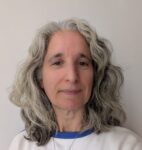
Dr. Adams (Professor, Department of Neurology, URMC). A pediatric neuropsychologist and child psychologist, she studies natural history/neurocognitive phenotyping, quality of life, and adaptive function of NCL disorders and other childhood neuronopathic rare diseases. She is a past Chair of the PCORI Rare Disease Advisory Committee, is a task force member for ISPOR Performance Outcome Assessment Emerging Good Practice, and is co-PI of the Third Consensus Conference on Neurocognitive and Functional Endpoints in MPS Clinical Studies.
Kimberly Angel
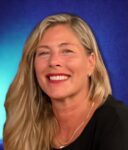
Kim Angel is Executive Director of the International MPS Network (IMPSN) and a dedicated advocate for individuals and families affected by MPS and related LDs. From 2016–2024, she served as Executive Director of the Canadian MPS Society, expanding programs, advocacy, and national impact. Through IMPSN, Kim unites patient organizations, clinicians, and industry partners worldwide to improve quality of life and equity for those affected.
Christiane Auray-Blais, PhD
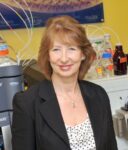
Dr. Auray-Blais is a full professor-researcher in Pediatrics specialising in newborn urine screening and biomarker discovery/quantitation using mass spectrometry for various LDs, autism, asthma, cystic fibrosis, vitamin B12 deficiency in the elderly, etc. She holds a PhD in radiobiology, a master’s degree in health law from the Université de Sherbrooke, and postdoctoral studies from Duke University Medical Center, NC. She is the author of more than 340 publications, book chapters, abstracts, and articles.
Emmanuel Bamgbade, PharmD, MBA

Dr. Bamgbade is the Senior Director of Global Marketing at Amicus, where he spearheads the global commercial strategy for Fabry disease. His expertise lies in developing and executing high-impact marketing campaigns and value propositions for treatments addressing complex and unmet medical needs. He is passionate about translating intricate scientific and clinical data into compelling communications that drive understanding and access. His commitment to innovation and improving outcomes continues to fuel his work in rare diseases.
Robert J. Desnick, MD, PhD, DSc (Hon)

Dr. Desnick is a Physician Scientist working in LDs since 1970s. Purified many LAD enzymes and cloned several genes and made mouse modes. Responsible for developing Fabrazyme and olipidase alfa and founder of Amicus Therapeutics. Past SAC Chair of Synageva and Kiniksa. Roscoe O. Brady Award winner, Member of National Academy of Sciences, Engineering and Medicine, and National Academy of Inventors. (See my Wikipedia page.)
Maria Fuller, PhD
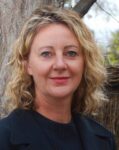
Dr. Maria Fuller is a Clinical Scientist specialising in biochemical genetics and leads the National Referral Laboratory within the state-wide public pathology service in South Australia that provides a national diagnostic service for lysosomal disorders. She has a long-standing interest in improving the efficiency and accuracy of diagnosis and translating research outcomes into routine practice. Maria is also a Professor at the University of Adelaide where she is a research leader at the Robinson Research Institute and enjoys supervising post-graduate students.
Roberto Giugliani, MD, PhD

Dr. Roberto Giugliani, Full Professor of Genetics at the Federal University of Rio Grande do Sul, in Brazil, is a medical geneticist who founded the Medical Genetics Service of Hospital de Clinicas of Porto Alegre, co-founded and currently leads Casa dos Raros, and is Head of Rare Diseases at Dasa Genomics. He is also the Editor-in-Chief of the Journal of Inborn Errors of Metabolism and Screening and Member of the Brazilian Academy of Sciences.
Ozlem Goker-Alpan, MD

Dr. Ozlem Goker-Alpan is the Founder and President of the LDRTC, a non-profit clinical research organization in Fairfax, Virginia. Since 2012, she has led LDRTC as a premier center advancing therapies, accelerating early diagnosis, and fostering global collaboration in lysosomal and rare diseases. Internationally recognized for her expertise in Gaucher and related disorders, Dr. Goker-Alpan drives biomarker discovery, immune-mechanism research, and clinical trial development, while mentoring future leaders in rare disease medicine.
Natalia Gomez-Ospina, MD, PhD
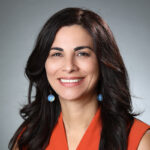
Dr. Gómez-Ospina is an Assistant Professor at Stanford University and a Medical Geneticist. Her research focuses on using hematopoietic transplantation to deliver proteins to the central nervous system and on developing a platform for treating enzyme deficiencies. She has led groundbreaking preclinical studies on genome-edited cells for mucopolysaccharidosis type I, Gaucher disease, and progranulin deficiency. She has published in top journals and received numerous awards, including the Genetics and Genomics Medicine Innovation Award from ACMG.
Nadene D. Henderson, MS, LCGC
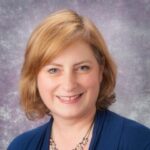
Nadene began working in LDs in 1994, and has over 31 years working in rare diseases. Her career involves both clinical and research care for families impacted by these conditions. She was part of the FDA-approval for fourteen different therapies for LDs (plus hypophosphatasia) and is a 2024 Sanofi TORCH awardee. Nadene's current focus at UPMC is study coordination including gene therapy, investigational products, registries, as well as newborn screening and training future health care professionals.
Francyne Kubaski, MSc, PhD
Francyne Kubaski is a Staff Scientist at the Biochemical Genetics Laboratory of the Greenwood Genetic Center in South Carolina. Her research focuses on developing advanced diagnostic methods for inborn errors of metabolism, emphasizing lysosomal disorders and tandem mass spectrometry. Dr. Kubaski also leads biomarker studies to enhance diagnosis, prognosis, and therapeutic monitoring, advancing translational research in rare disease and contributing to newborn screening and early detection efforts in metabolic medicine.
Malte Lenders, PhD

Malte Lenders studied Biology at the University of Muenster, Germany focusing on genetics and biotechnology. Since he started as the laboratory head for Prof. Eva Brand at the University Hospital Muenster, he was jointly responsible for research projects resulting in >50 peer-reviewed publications focusing on Fabry disease. His main research interests are inflammation, genotype-phenotype associations and function of genes in inherited inborn errors with a focus on Fabry disease.
Saida Ortolano, PhD
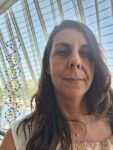
Dr. Ortolano holds a degree in Pharmacy and a PhD in Biochemistry and Molecular Cytogenetics. She completed postdocs at the NIAID (LIR 2002-2005) in Bethesda and in Padua University, Italy (2005-2008). Since 2008 she is working at IIS-Galicia Sur, Vigo, Spain, where she leads the group of Rare Diseases and Pediatric Medicine, mainly focusing on Lysosomal Disorders, working to unravel the link between LDs, neurodegenerative diseases, chronic inflammation or cellular senescence, and seek new treatments.
Marc C. Patterson, MD

Dr. Patterson has more than 40 years in academic medicine, focusing on rare neurometabolic disease diseases, particularly lysosomal diseases and congenital disorders of glycosylation. Retired from practice at the Mayo Clinic in December 2024, and joined IntraBio as CMO on January 1, 2025.
Laura Pollard, PhD

Dr. Pollard is the Lead Director of the Biochemical Genetics Laboratory at the Greenwood Genetic Center, a CAP/CLIA clinical laboratory with a particular focus on the diagnosis and monitoring of patients with Lysosomal Disorders. I am also the Director of the Laboratory Training Program at GGC, through which individuals can become trained in Laboratory Genetics and Genomics and achieve ABMGG certification.
Carlos E. Prada, MD
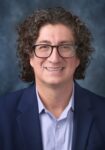
Dr. Prada is the Chair of the Edwards Family Division of Genetics & Rare Diseases at Lurie Children's Hospital and Northwestern University. Dr. Prada has been the principal investigator on numerous federal and foundation grants, including grants from the Department of Defense and National Institute of Neurological Disorders and Stroke. He is principal investigator for several gene therapy studies focus on lysosomal disorders.
Uma Ramaswami, FRCPCH, MD

Dr. Ramaswami is a full time metabolic clinician with an active translational research portfolio. She is passionate in caring for patients with rare diseases, with a unique perspective of having experience in both paediatric and adult onset rare diseases. She is interested in promoting patient reported outcomes for both clinical management and research outcomes. Outside her day job, she actively engages in carbon offset initiatives in her home town and is a referee coach for touch football.
Benedikt Schoser, MD
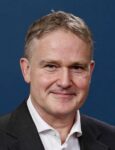
Dr. Schoser is a Munich-based neurologist, neurophysiologist, neurointensivist, and palliative care physician, and a Professor at Ludwig-Maximilians-University. With over 30 years of experience, he focuses on neuromuscular disorders like Pompe disease, myasthenia gravis, and myotonic dystrophy, emphasizing research, histopathology, molecular mechanisms, and therapies. He aims to translate research into therapies, especially gene therapy. He has published over 380 peer-reviewed papers, mainly on glycogen storage diseases, and is developing AI diagnostic tools.
Carolyn Emily Schwartz, ScD
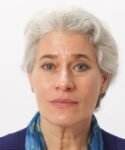
Dr. Carolyn Schwartz is President & Chief Scientist at the not-for-profit DeltaQuest Foundation; and Adjunct Research Professor of Medicine and Orthopaedic Surgery at Tufts University School of Medicine. A Harvard-trained behavioral scientist, she specializes in patient-reported outcome measurement development, and real-world evidence for evaluating medical treatments in the rare disease space. Her interdisciplinary and methodological research focuses on understanding what patients and caregivers can do to have an impact on disease course and their well-being.
Ellen Sidransky, MD

Dr. Ellen Sidransky, Branch Chief of the Medical Genetics Branch, is a pediatrician and geneticist in the NHGRI at NIH. She played a lead role in establishing the association between glucocerebrosidase and parkinsonism. Her work focuses on complexity in "simple" Mendelian disorders, lysosomal pathways in parkinsonism, and small molecule chaperone therapies for Gaucher and Parkinson diseases. She received the 2021 WORLDSymposium Roscoe O. Brady Award and the 2024 Breakthrough Prize in Life Sciences.
Cynthia J. Tifft, MD, PhD
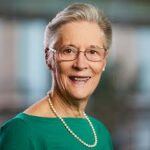
Dr. Tifft received her MD/PhD from the University of Texas at Houston, completed pediatric residency at Johns Hopkins and genetics fellowship at the NIH. After 18 years at Children’s National, Dr. Tifft was recruited to NHGRI as Deputy Clinical Director and Director of the Pediatric NIH Undiagnosed Diseases Program. Research interests include the natural history of LDs affecting the CNS. In 2019 she and her collaborators initiated “first-in-human” gene therapy for patients with GM1 gangliosidosis.
Raymond Y. Wang, MD
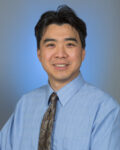
Dr. Raymond Wang is an NIH-funded clinical biochemical geneticist and lysosomal disorder specialist who also oversees clinical trials for gene therapy in lysosomal disorders (especially neurodegenerative), and a translational research laboratory studying somatic genome editing and other methods for unmet therapeutic needs in lysosomal disorders.
David A. Weinstein, MD, MMsc
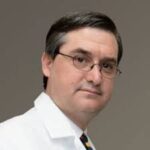
During his 30-year academic career, Dr. Weinstein focused on research and clinical care of patients with glycogen storage disease. After launching the world’s first gene therapy trial for GSD Ia, he joined industry and led the GM1 gangliosidosis and MLD gene therapy trials at Passage Bio. He subsequently served as acting CMO for Grace Science initiating the gene therapy trial for NGLY1 deficiency. He is presently a consultant for rare disease trials.
Ari Zimran, MD
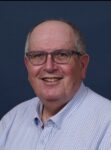
Over three decades ago, Dr. Zimran founded the world’s largest Gaucher clinic, focusing on natural history, rare manifestations, and its association with Parkinson’s disease (PD). His team pioneered molecular diagnostics: PCR genotyping, PGD, and NIPT, and validated LysoGb1 as a key biomarker. He served as lead PI in trials leading to miglustat, velaglucerase-alfa, and taliglucerase-alfa approvals. More recently, he founded AGYANY Pharma to advance high-dose ambroxol and novel chaperones for Gaucher and GBA1-related PD (Sidransky syndrome).
Registration Now Closed
All attendees who signed up for this event will be contacted in late January 2026 with their confirmed mentor assignments and final details for the Speed Mentoring Event at WORLDSymposium 2026.
*All Speed Mentoring participants must be registered to attend WORLDSymposium 2026 in-person to participate.