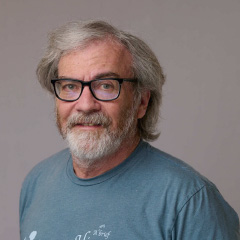
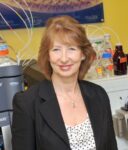
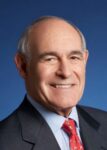
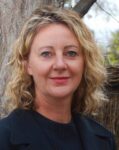
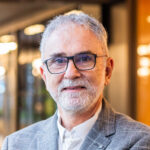
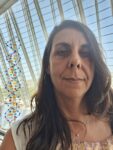
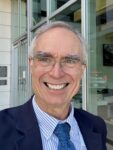
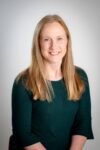
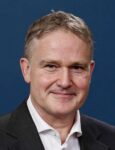
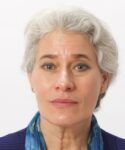
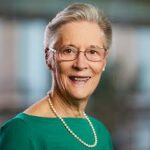
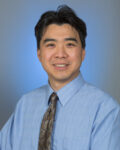
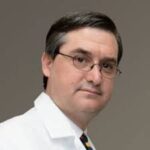
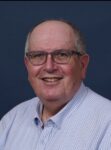
Professor Michael H. Gelb, PhD, was the 2026 Keynote Speaker and Catalyst Award Recipient
WORLDSymposium was delighted to announce Professor Michael Gelb, PhD, as the recipient of the 3rd Annual Catalyst Award presented at WORLDSymposium 2026.
The 2026 Catalyst Award was presented at the WORLDSymposium 2026 Be the Catalyst event on Monday, February 2, 2026 at 17:45.
Dr. Gelb shared his pioneering research: Biochemical Newborn Screening for All Treatable Lysosomal Diseases in a special keynote session on Thursday, February 5, 2026, at 08:00 PST.
4th Annual Robert J. Gorlin Symposium, February 6, 2025
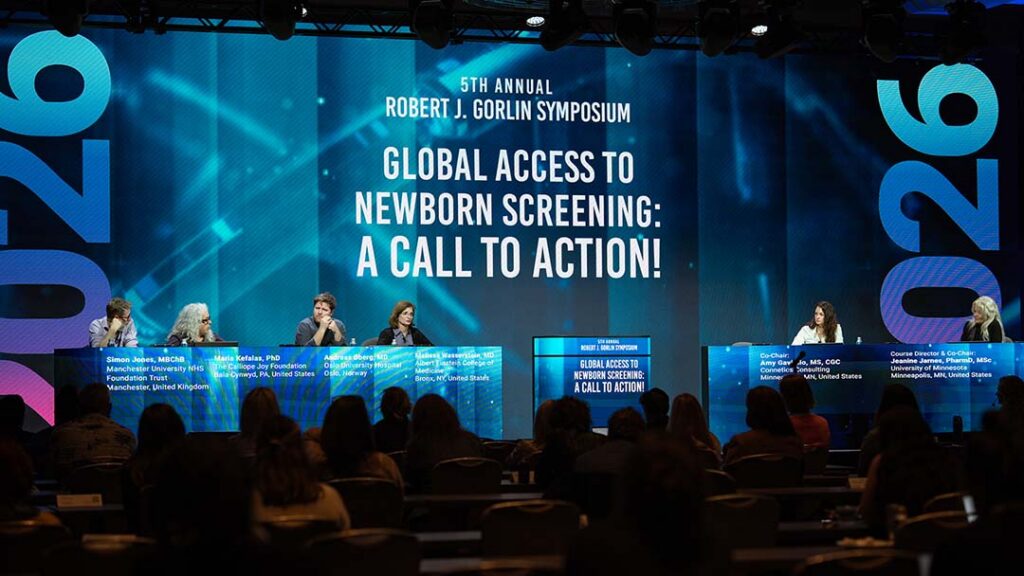
5th Annual Robert J. Gorlin Symposium
Global Access to Newborn Screening: A Call to Action!
Thursday, February 5, 2026 17:45 – 19:00 PST 1.25 Hour CE Session*
Overview: There is tremendous global variation in access to newborn screening (NBS), even at the state or province level within individual countries, like the United States and Canada. With the dissolution of the Advisory Committee on Heritable Disorders in Newborns and Children (ACHDNC) in the United States, there is a no longer a federal entity reviewing research and recommending additions to the Recommended Uniform Screening Panel (RUSP) a list of conditions for which every newborn in the U.S. should be screened. There is an opportunity for other entities to step up to fill the void, and a coordinated and focused effort will be needed. In addition, the U.S. can learn from other countries that have different perspectives on NBS, including implementing NBS for all diseases which “check all the boxes”, and even broader genome screening. This session will bring together international stakeholders to identify barriers, discuss opportunities, and identify practical solutions to help inform international changes for global NBS going forward
Format: Expert panel interviews and discussion with focused questions intended to address the stated issues. The session concluded with audience Q&A.
Symposium Agenda: 17:45 Welcome and Introduction of Faculty 17:50 Focused Interview Questions for Faculty with Panel Discussion 18:45 Open Audience Q&A 19:00 Adjourn
Course Director and Co-Chair: Jeanine Jarnes, PharmD MSc Pharmacogenomics Board Certified Pharmacotherapy Specialist Board Certified Oncology Pharmacist Assistant Professor, Department of Pediatrics University of Minnesota Medical School Pharmacotherapy for Inherited Metabolic Diseases Advanced Therapies Department College of Pharmacy, Experimental and Clinical Pharmacology Minneapolis, MN, United States
Co-Chair: Amy Gaviglio, MS, CGC Genetics and Public Health Consultant Newborn Screening and Genetics Minneapolis, MN, United States
Faculty: Simon Jones, MBChB Consultant in Paediatric Inherited Metabolic Disease Professor, The University of Manchester Manchester, United Kingdom
Maria Kefalas, PhD Founder, The Calliope Joy Foundation Educator, advocate, and author Bala-Cynwyd, PA, United States
Andreas Øberg, MD Norwegian National Unit for Newborn Screening, Division of Pediatric and Adolescent Medicine, Oslo University Hospital Oslo, Norway
Melissa Wasserstein, MD Chief, Division of Pediatric Genetic Medicine Professor of Pediatrics and Genetics Raizin Distinguished Faculty Scholar in Pediatrics The Children’s Hospital at Montefiore The University Hospital for Albert Einstein College of Medicine Bronx, NY, United States
Learning Objectives:
At the end of this session, participants will be able to:
Identify global differences that exist in criteria for implementing newborn screening (NBS) and which geographic regions have implemented NBS, and which have not.
Identify how uniform newborn screening helps address the unmet medical needs of patients with lysosomal diseases.
Define barriers to implementing newborn screening for lysosomal diseases (LDs) and propose practical solutions to overcome them.
Recognize which lysosomal diseases currently ‘check all the boxes’ to meet established criteria for newborn screening, based on laboratory technology, administrative infrastructure, and clinical care.
Describe how adopting a genomic approach to NBS could reduce barriers to implementation, transform LD research, enable more timely treatment, and improve patient outcomes.
The Patient Voice 2026
Why Does Publish or Perish Apply to Patient Advocate Groups?
Course Director: Jeanine R. Jarnes, PharmD, MSc, BCOP, BCPS Monday, February 2, 2026 15:00 – 16:00 PST 1.00 Hour CE Session*
Overview: Rare diseases in general, and lysosomal diseases in specific, are constantly competing against common diseases for attention, resources, and funding, in every country around the world. Therapy development for lysosomal diseases is challenging for many reasons, including the inherently small populations, and challenges to pull together resources and collaboration. To this day, most lysosomal diseases do not have approved treatments.
In order to present a united approach, advocacy organizations need to bring together all of the stakeholders including patients, caregivers, clinicians, researchers, and pharmaceutical entities to provide published data to support lysosomal disease therapy development and approvals. This session will identify why it is important to have industry, clinician and advocates involved; the importance of peer-reviewed published data; describe several different approaches to publishing; and illustrate examples of the results and impact of publications. Representatives from leading lysosomal disease patient advocacy organizations will share their experiences and help provide attendees with practical steps to establish successful publication strategies.
Format/Agenda: Expert panel interviews and discussion with focused questions intended to address the stated issues. The session concluded with audience Q&A.
15:00 Welcome and Introduction of Faculty 15:05 Focused Interview Questions for Faculty with Panel Discussion 15:50 Open Audience Q&A 16:00 Adjourn
Course Director and Chair: Jeanine Jarnes, PharmD, BCOP, BCPS MSc Pharmacogenomics Board Certified Pharmacotherapy Specialist Board Certified Oncology Pharmacist Assistant Professor, Department of Pediatrics University of Minnesota Medical School Pharmacotherapy for Inherited Metabolic Diseases Advanced Therapies Department College of Pharmacy, Experimental and Clinical Pharmacology Minneapolis, Minnesota, United States
Faculty: Alan Finglas Founder & Research Manager MSD Action Foundation / SavingDylan.com Dublin, Ireland
Cara O’Neill, MD Chief Science Officer Cure Sanfilippo Foundation Pediatrician Columbia, South Carolina, United States
Jennifer Jackson, MS President, International Society for Mannosidosis and Related Diseases (ISMRD) Durham, North Carolina, United States
Rebekah Palmer Co-Founder, Next Generation of Cystinosis Duluth, Minnesota, United States
Target Audience: This activity has been designed to meet the educational needs of physicians, physician associates, nurses, genetic counselors, researchers, patient advocates, and other attendees at WORLDSymposium who care for and treat patients with lysosomal diseases.
Learning Objectives: At the end of this session, participants will be able to:
Identify specific examples of advocacy-led publications and explain how these efforts advanced knowledge and clinical recognition of rare and underrepresented medical conditions.
Explain the role of HCPs in developing peer-reviewed publications in conjunction with advocacy groups to benefit all stakeholder groups and describe how these benefits advance patient care and medical progress.
Demonstrate the value of the universal scientific publication structure and peer-review process in establishing credibility and shaping clinical and research practice.
Describe collaborative approaches for advocacy groups, industry, academia, and healthcare providers to co-develop peer-reviewed literature, including clinical studies, treatment guidelines, and consensus white papers.
WORLDSymposium presented the 3rd Annual Patient Voice held on Monday, February 2, 2026 from 15:00 – 16:00 PST just prior to the 4th Annual WORLDSymposiumSpeed Mentoring Event and the opening event, “Be the Catalyst“.
WORLDSymposium 2026 Mentor List
Registered attendees met with these remarkable Mentors on Monday, February 2, 2026.
Heather Adams, PhD
Dr. Adams (Professor, Department of Neurology, URMC). A pediatric neuropsychologist and child psychologist, she studies natural history/neurocognitive phenotyping, quality of life, and adaptive function of NCL disorders and other childhood neuronopathic rare diseases. She is a past Chair of the PCORI Rare Disease Advisory Committee, is a task force member for ISPOR Performance Outcome Assessment Emerging Good Practice, and is co-PI of the Third Consensus Conference on Neurocognitive and Functional Endpoints in MPS Clinical Studies.
Kimberly Angel
Kim Angel is Executive Director of the International MPS Network (IMPSN) and a dedicated advocate for individuals and families affected by MPS and related LDs. From 2016–2024, she served as Executive Director of the Canadian MPS Society, expanding programs, advocacy, and national impact. Through IMPSN, Kim unites patient organizations, clinicians, and industry partners worldwide to improve quality of life and equity for those affected.
Christiane Auray-Blais, PhD
Dr. Auray-Blais is a full professor-researcher in Pediatrics specialising in newborn urine screening and biomarker discovery/quantitation using mass spectrometry for various LDs, autism, asthma, cystic fibrosis, vitamin B12 deficiency in the elderly, etc. She holds a PhD in radiobiology, a master’s degree in health law from the Université de Sherbrooke, and postdoctoral studies from Duke University Medical Center, NC. She is the author of more than 340 publications, book chapters, abstracts, and articles.
Emmanuel Bamgbade, PharmD, MBA
Dr. Bamgbade is the Senior Director of Global Marketing at Amicus, where he spearheads the global commercial strategy for Fabry disease. His expertise lies in developing and executing high-impact marketing campaigns and value propositions for treatments addressing complex and unmet medical needs. He is passionate about translating intricate scientific and clinical data into compelling communications that drive understanding and access. His commitment to innovation and improving outcomes continues to fuel his work in rare diseases.
Robert J. Desnick, MD, PhD, DSc (Hon)
Dr. Desnick is a Physician Scientist working in LDs since 1970s. Purified many LAD enzymes and cloned several genes and made mouse modes. Responsible for developing Fabrazyme and olipidase alfa and founder of Amicus Therapeutics. Past SAC Chair of Synageva and Kiniksa. Roscoe O. Brady Award winner, Member of National Academy of Sciences, Engineering and Medicine, and National Academy of Inventors. (See my Wikipedia page.)
Maria Fuller, PhD
Dr. Maria Fuller is a Clinical Scientist specialising in biochemical genetics and leads the National Referral Laboratory within the state-wide public pathology service in South Australia that provides a national diagnostic service for lysosomal disorders. She has a long-standing interest in improving the efficiency and accuracy of diagnosis and translating research outcomes into routine practice. Maria is also a Professor at the University of Adelaide where she is a research leader at the Robinson Research Institute and enjoys supervising post-graduate students.
Roberto Giugliani, MD, PhD
Dr. Roberto Giugliani, Full Professor of Genetics at the Federal University of Rio Grande do Sul, in Brazil, is a medical geneticist who founded the Medical Genetics Service of Hospital de Clinicas of Porto Alegre, co-founded and currently leads Casa dos Raros, and is Head of Rare Diseases at Dasa Genomics. He is also the Editor-in-Chief of the Journal of Inborn Errors of Metabolism and Screening and Member of the Brazilian Academy of Sciences.
Ozlem Goker-Alpan, MD
Dr. Ozlem Goker-Alpan is the Founder and President of the LDRTC, a non-profit clinical research organization in Fairfax, Virginia. Since 2012, she has led LDRTC as a premier center advancing therapies, accelerating early diagnosis, and fostering global collaboration in lysosomal and rare diseases. Internationally recognized for her expertise in Gaucher and related disorders, Dr. Goker-Alpan drives biomarker discovery, immune-mechanism research, and clinical trial development, while mentoring future leaders in rare disease medicine.
Natalia Gomez-Ospina, MD, PhD
Dr. Gómez-Ospina is an Assistant Professor at Stanford University and a Medical Geneticist. Her research focuses on using hematopoietic transplantation to deliver proteins to the central nervous system and on developing a platform for treating enzyme deficiencies. She has led groundbreaking preclinical studies on genome-edited cells for mucopolysaccharidosis type I, Gaucher disease, and progranulin deficiency. She has published in top journals and received numerous awards, including the Genetics and Genomics Medicine Innovation Award from ACMG.
Nadene D. Henderson, MS, LCGC
Nadene began working in LDs in 1994, and has over 31 years working in rare diseases. Her career involves both clinical and research care for families impacted by these conditions. She was part of the FDA-approval for fourteen different therapies for LDs (plus hypophosphatasia) and is a 2024 Sanofi TORCH awardee. Nadene’s current focus at UPMC is study coordination including gene therapy, investigational products, registries, as well as newborn screening and training future health care professionals.
Francyne Kubaski, MSc, PhD
Francyne Kubaski is a Staff Scientist at the Biochemical Genetics Laboratory of the Greenwood Genetic Center in South Carolina. Her research focuses on developing advanced diagnostic methods for inborn errors of metabolism, emphasizing lysosomal disorders and tandem mass spectrometry. Dr. Kubaski also leads biomarker studies to enhance diagnosis, prognosis, and therapeutic monitoring, advancing translational research in rare disease and contributing to newborn screening and early detection efforts in metabolic medicine.
Malte Lenders, PhD
Malte Lenders studied Biology at the University of Muenster, Germany focusing on genetics and biotechnology. Since he started as the laboratory head for Prof. Eva Brand at the University Hospital Muenster, he was jointly responsible for research projects resulting in >50 peer-reviewed publications focusing on Fabry disease. His main research interests are inflammation, genotype-phenotype associations and function of genes in inherited inborn errors with a focus on Fabry disease.
Saida Ortolano, PhD
Dr. Ortolano holds a degree in Pharmacy and a PhD in Biochemistry and Molecular Cytogenetics. She completed postdocs at the NIAID (LIR 2002-2005) in Bethesda and in Padua University, Italy (2005-2008). Since 2008 she is working at IIS-Galicia Sur, Vigo, Spain, where she leads the group of Rare Diseases and Pediatric Medicine, mainly focusing on Lysosomal Disorders, working to unravel the link between LDs, neurodegenerative diseases, chronic inflammation or cellular senescence, and seek new treatments.
Marc C. Patterson, MD
Dr. Patterson has more than 40 years in academic medicine, focusing on rare neurometabolic disease diseases, particularly lysosomal diseases and congenital disorders of glycosylation. Retired from practice at the Mayo Clinic in December 2024, and joined IntraBio as CMO on January 1, 2025.
Laura Pollard, PhD
Dr. Pollard is the Lead Director of the Biochemical Genetics Laboratory at the Greenwood Genetic Center, a CAP/CLIA clinical laboratory with a particular focus on the diagnosis and monitoring of patients with Lysosomal Disorders. I am also the Director of the Laboratory Training Program at GGC, through which individuals can become trained in Laboratory Genetics and Genomics and achieve ABMGG certification.
Carlos E. Prada, MD
Dr. Prada is the Chair of the Edwards Family Division of Genetics & Rare Diseases at Lurie Children’s Hospital and Northwestern University. Dr. Prada has been the principal investigator on numerous federal and foundation grants, including grants from the Department of Defense and National Institute of Neurological Disorders and Stroke. He is principal investigator for several gene therapy studies focus on lysosomal disorders.
Uma Ramaswami, FRCPCH, MD
Dr. Ramaswami is a full time metabolic clinician with an active translational research portfolio. She is passionate in caring for patients with rare diseases, with a unique perspective of having experience in both paediatric and adult onset rare diseases. She is interested in promoting patient reported outcomes for both clinical management and research outcomes. Outside her day job, she actively engages in carbon offset initiatives in her home town and is a referee coach for touch football.
Benedikt Schoser, MD
Dr. Schoser is a Munich-based neurologist, neurophysiologist, neurointensivist, and palliative care physician, and a Professor at Ludwig-Maximilians-University. With over 30 years of experience, he focuses on neuromuscular disorders like Pompe disease, myasthenia gravis, and myotonic dystrophy, emphasizing research, histopathology, molecular mechanisms, and therapies. He aims to translate research into therapies, especially gene therapy. He has published over 380 peer-reviewed papers, mainly on glycogen storage diseases, and is developing AI diagnostic tools.
Carolyn Emily Schwartz, ScD
Dr. Carolyn Schwartz is President & Chief Scientist at the not-for-profit DeltaQuest Foundation; and Adjunct Research Professor of Medicine and Orthopaedic Surgery at Tufts University School of Medicine. A Harvard-trained behavioral scientist, she specializes in patient-reported outcome measurement development, and real-world evidence for evaluating medical treatments in the rare disease space. Her interdisciplinary and methodological research focuses on understanding what patients and caregivers can do to have an impact on disease course and their well-being.
Ellen Sidransky, MD
Dr. Ellen Sidransky, Branch Chief of the Medical Genetics Branch, is a pediatrician and geneticist in the NHGRI at NIH. She played a lead role in establishing the association between glucocerebrosidase and parkinsonism. Her work focuses on complexity in “simple” Mendelian disorders, lysosomal pathways in parkinsonism, and small molecule chaperone therapies for Gaucher and Parkinson diseases. She received the 2021 WORLDSymposium Roscoe O. Brady Award and the 2024 Breakthrough Prize in Life Sciences.
Cynthia J. Tifft, MD, PhD
Dr. Tifft received her MD/PhD from the University of Texas at Houston, completed pediatric residency at Johns Hopkins and genetics fellowship at the NIH. After 18 years at Children’s National, Dr. Tifft was recruited to NHGRI as Deputy Clinical Director and Director of the Pediatric NIH Undiagnosed Diseases Program. Research interests include the natural history of LDs affecting the CNS. In 2019 she and her collaborators initiated “first-in-human” gene therapy for patients with GM1 gangliosidosis.
Raymond Y. Wang, MD
Dr. Raymond Wang is an NIH-funded clinical biochemical geneticist and lysosomal disorder specialist who also oversees clinical trials for gene therapy in lysosomal disorders (especially neurodegenerative), and a translational research laboratory studying somatic genome editing and other methods for unmet therapeutic needs in lysosomal disorders.
David A. Weinstein, MD, MMsc
During his 30-year academic career, Dr. Weinstein focused on research and clinical care of patients with glycogen storage disease. After launching the world’s first gene therapy trial for GSD Ia, he joined industry and led the GM1 gangliosidosis and MLD gene therapy trials at Passage Bio. He subsequently served as acting CMO for Grace Science initiating the gene therapy trial for NGLY1 deficiency. He is presently a consultant for rare disease trials.
Ari Zimran, MD
Over three decades ago, Dr. Zimran founded the world’s largest Gaucher clinic, focusing on natural history, rare manifestations, and its association with Parkinson’s disease (PD). His team pioneered molecular diagnostics: PCR genotyping, PGD, and NIPT, and validated LysoGb1 as a key biomarker. He served as lead PI in trials leading to miglustat, velaglucerase-alfa, and taliglucerase-alfa approvals. More recently, he founded AGYANY Pharma to advance high-dose ambroxol and novel chaperones for Gaucher and GBA1-related PD (Sidransky syndrome).

2026 Industry Expert Theaters
Monday, February 2, 2026, 16:30 – 17:30 Hunter Syndrome: Advancing Understanding and Diagnosis in Neuronopathic MPS II Download Invitational PDF Sponsored by NS Pharma
Tuesday, February 3, 2026, 15:45 – 16:45 From Experience to Insight: Transforming Care with Lived Experience Sponsored by Amicus Therapeutics Download Invitational PDF
Wednesday, February 4, 2026, 15:45 – 16:45 Fabry Disease Reframed: Advancing Care for Diagnosed Not Treated Patients Sponsored by Sanofi Download Invitational PDF
Thursday, February 5, 2026, 15:45 – 16:45 Interactive clinical cases: Advancing early diagnosis of lysosomal disorders presenting as skeletal dysplasia Sponsored by BioMarin Download Invitational PDF
Located in the Palm Foyer outside the exhibit hall, the Industry Expert Theaters allowed exhibitors an opportunity to provide clinical updates and educate attendees on current therapies, disease states, products and pipeline activities
These promotional one-hour presentations were formatted for learning and a great way to provide a higher level of interaction and engagement of professional attendees.
Theaters were non-CE educational activities and provided an opportunity for product-specific education.
These Industry Expert Theaters were not part of the official WORLDSymposium™ program, and WORLDSymposium did not approve or endorse any commercial products or services discussed during the Industry Expert Theaters or offered for sale by any corporate supporter of the Industry Expert Theaters. These presentations do not offer CE credits; these sessions are not approved for CE through WORLDSymposium.
Eligibility: Registration for WORLDSymposium 2026 and an official name badge were required to attend Industry Expert Theaters.
2026 Satellite Symposia Schedule
Tuesday, February 3, 2026, 06:45-07:45 Transforming Ambiguity to Action for Personalized Fabry Care Sponsored by Amicus Therapeutics Click Here to Download Informational PDF
Tuesday, February 3, 2026, 06:45-07:45 The maturation of evidence: what time teaches us about MPS II Sponsored by Takeda Pharmaceutical Company Limited Click Here to Download Informational PDF
Tuesday, February 3, 2026, 12:15-13:15 Evolving Landscape of LDs in Era of Newborn Screening: Monitoring and Treatment Initiation Sponsored by Sanofi Click Here to Download Informational PDF
Tuesday, February 3, 2026, 12:15-13:15 Optimizing lifelong therapy in Fabry disease: navigating complexity and maximizing impact This satellite is open only to registered attendees from outside the United States. International participants only. Sponsored by Takeda Pharmaceutical Company Limited Click Here to Download Informational PDF
Tuesday, February 3, 2026, 17:45-18:45 Closing the Loop: From Clinical Management to Patient Experience with Elfabrio® (pegunigalsidase alfa-ivxj) Sponsored by Chiesi Global Rare Diseases Click Here to Download Informational PDF
Tuesday, February 3, 2026, 17:45-18:45 The value of conducting an 18-month placebo-controlled study in Rare Diseases: GM1, GM2 and NPC; the NAVIGATE experience Sponsored by Azafaros B.V. Click Here to Download Informational PDF
Wednesday, February 4, 2026, 06:45-07:45 From Diagnosis to Care: Transforming rare diseases with gene therapies and advanced technologies Sponsored by Astellas Pharma Inc Click Here to Download Informational PDF
Wednesday, February 4, 2026, 06:45-07:45 Beyond Storage: Secondary Glycosphingolipid Pathology in Lysosomal Disorders CE Satellite Symposium Accredited provider: AffinityCE Jointly Provided by: AffinityCE and Lysosomal & Rare Disorders Research & Treatment Center, Inc (LDRTC) Click Here to Download Informational PDF
Wednesday, February 4, 2026, 12:15-13:15 Leveraging Imaging Strategies for Bone Disease in Gaucher Disease: A Case Study Deep Dive CE Satellite Symposium Accredited provider: Medical Education Resources (MER) Jointly Provided by MER and Saterdalen & Associates LLC Supported by an independent educational grant from Takeda Pharmaceuticals U.S.A., Inc. Click Here to Download Informational PDF
Wednesday, February 4, 2026, 12:15-13:15 Optimizing late-onset Pompe disease (LOPD) monitoring in an era of multiple treatment options Sponsored by Amicus Therapeutics Click Here to Download Informational PDF
Wednesday, February 4, 2026, 17:45-18:45 Biomarkers in Gaucher Disease: A Critical Dialogue on Patient Care Evolution Through Clinical Cases Sponsored Sanofi Click Here to Download Informational PDF
Wednesday, February 4, 2026, 17:45-18:45 Rational Design Meets Real-World Relevance: Pegunigalsidase Alfa in the Treatment of Fabry Disease Sponsored Chiesi Global Rare Diseases Click Here to Download Informational PDF
Thursday, February 5, 2026, 06:45-07:45 Homing in on Holistic Management of Late-Onset Pompe Disease: Contemporary Insights on Disease Monitoring, Treatment Selection and Switching, and Shared Decision-Making CE Satellite Symposium Accredited provider: AKH Inc., Advancing Knowledge in Healthcare Jointly provided by AKH Inc., Advancing Knowledge in Healthcare and Catalyst Medical Education, LLC Supported by an independent educational grant from Amicus Therapeutics, Inc. Click Here to Download Informational PDF
Thursday, February 5, 2026, 12:15-13:15 Charting a Path in Niemann-Pick Disease Type C: Diagnostic Challenges, Therapeutic Innovations, and Real-World Patient Cases Sponsored Zevra Therapeutics Click Here to Download Informational PDF
Thursday, February 5, 2026, 12:15-13:15 From the Kidney and Beyond: Early, Multi-Organ Impacts in Fabry Disease Sponsored Sanofi Click Here to Download Informational PDF
These Satellite Symposia were not part of the official WORLDSymposium™ program, and WORLDSymposium did not approve or endorse any commercial products or services discussed during the Satellite Symposia or offered for sale by any corporate supporter of the Satellite Symposia. These symposia may or may not offer CE credits; these sessions were not approved for CE through WORLDSymposium.
Eligibility: Registration for WORLDSymposium 2026 and an official name badge were required to attend satellite symposia.
2026 DIAMOND EXHIBITORS
2026 PLATINUM EXHIBITORS
2026 GOLD EXHIBITORS
2026 EXHIBITORS
2026 PATIENT ADVOCATE SHOWCASE
This website uses cookies to improve your experience. By continuing to use this website, we assume you agree to our Cookies Policy.